
Test your understanding with Our Home: Earth—A Unique Life-Sustaining Planet Class 8 MCQs. These multiple-choice questions cover important concepts about Earth, its atmosphere, water, natural resources, and the conditions that make our planet suitable for life. They are useful for quick revision, practice, and exam preparation.
Our Home Earth a Unique Life Sustaining Planet Class 8 MCQ
Conceptual Recall
Q. Which planet is the hottest in the solar system, even though it is not the closest to the Sun?
A. Mercury
B. Venus
C. Earth
D. Mars
Answer: B. Venus
Q. The range of distances from a star where water can exist in liquid form is called:
A. Blue Planet zone
B. Habitable zone / Goldilocks zone
C. Ozone layer
D. Greenhouse zone
Answer: B. Habitable zone / Goldilocks zone
Q. What is believed to be the origin of Earth’s magnetic field?
A. Rotation of Earth on its axis
B. Movement of molten iron in Earth’s core
C. Presence of atmosphere
D. Gravitational pull of the Sun
Answer: B. Movement of molten iron in Earth’s core
Q. What ensures continuity of life on Earth?
A. Photosynthesis
B. Respiration
C. Reproduction
D. Nutrition
Answer: C. Reproduction
Q. The three biggest environmental challenges together are called:
A. Global warming crisis
B. Triple planetary crisis
C. Ozone depletion crisis
D. Biodiversity crisis
Answer: B. Triple planetary crisis
Application-Based
Q. Scientists use false colour satellite images to study Earth. If a researcher wants to detect an oil spill in the ocean, which feature of such images would be most useful?
A. Showing natural colours of land and water
B. Using colours to represent different types of information
C. Measuring thickness of Earth’s crust
D. Comparing Earth with other planets
Answer: B. Using colours to represent different types of information
Q. A scientist wants to explain why Venus is hotter than Mercury. Which concept should she use?
A. Rotation of planets
B. Greenhouse effect caused by carbon dioxide
C. Distance from the Sun
D. Presence of water vapour
Answer: B. Greenhouse effect caused by carbon dioxide
Q. If Earth were much smaller but had the same density, what would most likely happen?
A. Gravity would be stronger, crushing bones
B. Atmosphere would escape into space
C. Earth would rotate faster
D. Oceans would freeze instantly
Answer: B. Atmosphere would escape into space
Q. If Earth did not have a magnetic field, what would most likely happen?
A. Earth would stop rotating
B. Harmful solar wind and cosmic rays would damage the atmosphere
C. Earth’s gravity would weaken
D. Oceans would dry up instantly
Answer: B. Harmful solar wind and cosmic rays would damage the atmosphere
Q. A farmer plants a sprouted potato in soil. After some days, a new plant grows. Which type of reproduction is this?
A. Sexual reproduction
B. Vegetative propagation (asexual)
C. Pollination
D. Regeneration
Answer: B. Vegetative propagation (asexual)
Q. A coastal city is experiencing frequent floods due to rising sea levels. Which environmental issue is directly responsible?
A. Biodiversity loss
B. Climate change
C. Soil pollution
D. Deforestation
Answer: B. Climate change
Assertion–Reason
Q. Assertion (A): The air we breathe does not escape into space.
Reason (R): Earth’s gravity holds the atmosphere close to the planet.
A. Both A and R are true, and R is the correct explanation of A
B. Both A and R are true, but R is not the correct explanation of A
C. A is true, but R is false
D. A is false, but R is true
Answer: A. Both A and R are true, and R is the correct explanation of A
Q. Assertion (A): Venus has a higher average temperature than Mercury.
Reason (R): Venus is closer to the Sun than Mercury.
A. Both A and R are true, and R is the correct explanation of A
B. Both A and R are true, but R is not the correct explanation of A
C. A is true, but R is false
D. A is false, but R is true
Answer: C. A is true, but R is false
Q. Assertion (A): Earth is called the Blue Planet.
Reason (R): Most of Earth’s surface is covered with water.
A. Both A and R are true, and R is the correct explanation of A
B. Both A and R are true, but R is not the correct explanation of A
C. A is true, but R is false
D. A is false, but R is true
Answer: A. Both A and R are true, and R is the correct explanation of A
Q. Assertion (A): Earth’s magnetic field helps sustain life.
Reason (R): It deflects harmful particles from space, protecting the atmosphere.
A. Both A and R are true, and R is the correct explanation of A
B. Both A and R are true, but R is not the correct explanation of A
C. A is true, but R is false
D. A is false, but R is true
Answer: A. Both A and R are true, and R is the correct explanation of A
Q. Assertion (A): Offspring produced by sexual reproduction show variations.
Reason (R): Genetic material from two parents mixes during fertilisation.
A. Both A and R are true, and R is the correct explanation of A
B. Both A and R are true, but R is not the correct explanation of A
C. A is true, but R is false
D. A is false, but R is true
Answer: A. Both A and R are true, and R is the correct explanation of A
Q. Assertion (A): Burning fossil fuels increases global warming.
Reason (R): Fossil fuels release greenhouse gases like carbon dioxide and methane.
A. Both A and R are true, and R is the correct explanation of A
B. Both A and R are true, but R is not the correct explanation of A
C. A is true, but R is false
D. A is false, but R is true
Answer: A. Both A and R are true, and R is the correct explanation of A
Case/Experiment-Based
Q. A group of students conducted an activity to list features that make Earth special. They wrote:
- Air remains around Earth.
- Gravity keeps us on the ground.
- Water is available for drinking and farming.
- Soil helps grow crops.
Based on this case study, which conclusion is MOST appropriate?
A. Earth supports life due to its balance of air, water, soil, and gravity.
B. Earth is the largest planet in the solar system.
C. Earth has the thickest crust among all planets.
D. Earth does not need the Sun for survival.
Answer: A. Earth supports life due to its balance of air, water, soil, and gravity
Q. Students filled Table 13.2 with data about planets. They noticed:
- Mercury has no atmosphere.
- Venus has a thick CO₂ atmosphere.
- Earth has oxygen and nitrogen atmosphere.
- Mars has a thin CO₂ atmosphere.
Based on this case study, which inference is correct?
A. Atmosphere plays a major role in controlling a planet’s temperature.
B. Distance from the Sun alone decides temperature.
C. Planets with larger radius are always hotter.
D. Planets without atmosphere are warmer than those with atmosphere.
Answer: A. Atmosphere plays a major role in controlling a planet’s temperature
Q. Scientists sent rovers to Mars and found signs that it may once have had liquid water. Based on this case study, which conclusion is MOST appropriate?
A. Mars currently has thick atmosphere like Earth.
B. Mars may have supported simple life forms in the past.
C. Mars is outside the Sun’s habitable zone.
D. Mars has stronger gravity than Earth.
Answer: B. Mars may have supported simple life forms in the past
Q. A group of students studied how different natural resources sustain life:
- Atmosphere provides oxygen for respiration.
- Water supports crops and aquatic life.
- Soil provides nutrients for plants.
- Magnetic field protects Earth from harmful particles.
Based on this case study, which conclusion is MOST appropriate?
A. Life on Earth depends on the balance between living and non‑living components.
B. Only water is essential for life.
C. Magnetic field is the only factor that sustains life.
D. Soil and rocks have no role in ecosystems.
Answer: A. Life on Earth depends on the balance between living and non‑living components
Q. Scientists observed Hydra producing buds that later detached and grew into new individuals. Planaria was also seen regenerating from body fragments. Based on this case study, which conclusion is correct?
A. Both Hydra and Planaria reproduce sexually.
B. Both Hydra and Planaria reproduce asexually.
C. Hydra reproduces sexually, Planaria asexually.
D. Neither Hydra nor Planaria can reproduce.
Answer: B. Both Hydra and Planaria reproduce asexually
Q. A farmer notices that excess fertilisers are reducing crop yield and polluting nearby water bodies. Based on this case study, which conclusion is correct?
A. Fertilisers improve soil fertility permanently.
B. Soil and water pollution harm ecosystems and food chains.
C. Fertilisers have no effect on water bodies.
D. Pollution affects only aquatic life, not humans.
Answer: B. Soil and water pollution harm ecosystems and food chains
Diagram/Visual-Based
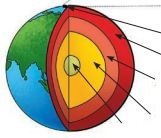
Q. Refer to the figure of Earth’s internal structure. Which layer is directly below the crust?
A. Outer core
B. Inner core
C. Upper mantle
D. Lower mantle
Answer: C. Upper mantle
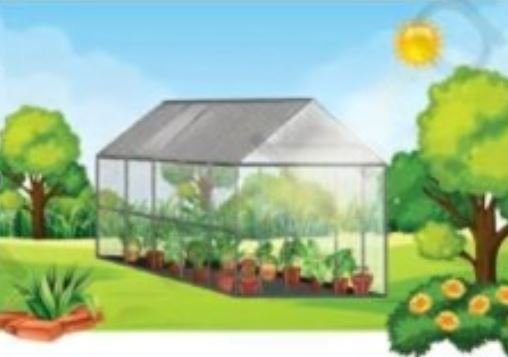
Q. Refer to the figure. How does a plant greenhouse trap heat differently from the greenhouse effect on Earth?
A. By absorbing radiation through gases
B. By trapping warmed air in a closed glass space
C. By releasing heat into the atmosphere
D. By reflecting sunlight away
Answer: B. By trapping warmed air in a closed glass space
Q. Refer to the figure, Habitable Zone diagram. Which statement is correct?
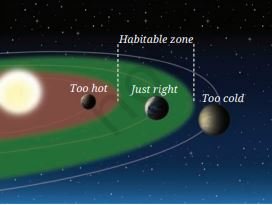
A. Planets too close to the Sun lose water due to high heat.
B. Planets too far from the Sun have liquid water.
C. All planets in the solar system lie in the habitable zone.
D. The habitable zone is the same for every star.
Answer: A. Planets too close to the Sun lose water due to high heat
Q. Refer to the figure, Life in Water. Which statement is correct about the hydrosphere?
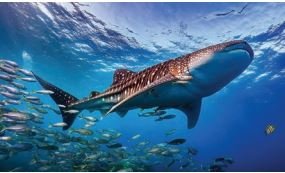
A. It covers only 10% of Earth’s surface.
B. It is home to millions of life forms, from planktons to whales.
C. It does not influence rainfall or farming.
D. It is unrelated to the biosphere.
Answer: B. It is home to millions of life forms, from planktons to whales
Q. Refer to figure. What happens when sperm and egg combine?
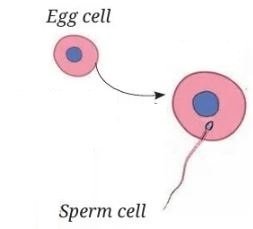
A. A gamete is formed
B. A zygote is formed
C. An embryo is formed immediately
D. Fertilisation does not occur
Answer: B. A zygote is formed
Q. Refer to figure, Which of the following is NOT a direct effect of air pollution?
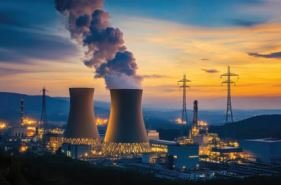
A. Breathing problems in humans
B. Smog formation
C. Acid rain
D. Increase in biodiversity
Answer: D. Increase in biodiversity
Disclaimer: The content that is present on our website is based on the NCERT Class 8 Science textbook and is provided for educational purposes only. All the content and images have been taken from Science Class 8 NCERT Textbook. Images and content shown above are the property of individual organizations and are used here for reference purposes only. To make it easy to understand, some of the content and images are generated by AI and cross-checked by the teachers.