
← Back to Class 10 Study Material
Practice How do Organisms Reproduce Class 10 MCQs based on the NCERT Science textbook. These multiple-choice questions cover important concepts such as reproduction in organisms, asexual and sexual reproduction, reproductive organs, fertilisation, menstruation, contraception, and reproductive health.
How do Organisms Reproduce Class 10 MCQ
Conceptual Recall
Q. Reproduction is not necessary for the survival of an individual organism because:
a) It does not involve cells
b) It is different from life processes like nutrition and respiration
c) It does not require energy
d) It occurs only in plants
Answer: b) It is different from life processes like nutrition and respiration
Q. At the most basic level, reproduction involves making copies of:
a) Cells
b) Proteins
c) Blueprints of body design
d) Organ systems
Answer: c) Blueprints of body design
Q. The information for inheritance of features from parents to offspring is present in the form of:
a) Proteins
b) DNA molecules
c) Enzymes
d) Hormones
Answer: b) DNA molecules
Q. In unicellular organisms, reproduction commonly takes place through:
a) Budding
b) Regeneration
c) Fission
d) Fragmentation
Answer: c) Fission
Q. In Amoeba, binary fission can occur:
a) Only along the length of the cell
b) Only along the width of the cell
c) In a definite orientation
d) In any plane
Answer: d) In any plane
Q. Which organism shows binary fission in a definite orientation due to the presence of a whip-like structure?
a) Amoeba
b) Leishmania
c) Hydra
d) Spirogyra
Answer: b) Leishmania
Q. Which of the following plants is commonly propagated by vegetative propagation?
a) Mango
b) Wheat
c) Banana
d) Pea
Answer: c) Banana
Q. An important advantage of vegetative propagation is that the new plants are:
a) Always taller than the parent plant
b) Genetically similar to the parent plant
c) Produced only through seeds
d) Resistant to all diseases
Answer: b) Genetically similar to the parent plant
Q. Which parts of a flower contain the germ-cells involved in reproduction?
a) Sepals and petals
b) Petals and stamens
c) Stamens and pistil
d) Sepals and ovary
Answer: c) Stamens and pistil
Q. A flower that contains either stamens or pistil is called:
a) Bisexual flower
b) Unisexual flower
c) Complete flower
d) Germinating flower
Answer: b) Unisexual flower
Q. The female germ-cell in a flower is present inside the:
a) Stigma
b) Style
c) Anther
d) Ovule
Answer: d) Ovule
Q. The testes are located outside the abdominal cavity in the scrotum because:
a) They need more blood supply
b) Sperm formation requires a lower temperature than body temperature
c) They produce urine
d) Testosterone is inactive inside the abdomen
Answer: b) Sperm formation requires a lower temperature than body temperature
Q. Which hormone produced by the testes brings about changes seen in boys at puberty?
a) Oestrogen
b) Insulin
c) Testosterone
d) Thyroxine
Answer: c) Testosterone
Application-Based
Q. A change occurs in the DNA of an organism. the first likely effect of this change will be:
a) Formation of different proteins
b) Immediate death of the organism
c) Increase in body size
d) Increase in cell number
Answer: a) Formation of different proteins
Q. During cell reproduction, one DNA copy cannot simply be pushed out of the cell because it would:
a) Lose its colour
b) Lack an organised cellular structure to perform life processes
c) Become larger than the parent cell
d) Stop DNA replication forever
Answer: b) Lack an organised cellular structure to perform life processes
Q. A population of bacteria living in water survives a sudden increase in temperature because some bacteria possess:
a) Larger cells
b) More chromosomes
c) Useful variations
d) Faster respiration
Answer: c) Useful variations
Q. A scientist observes that one parent cell has divided simultaneously into many daughter cells. Which organism reproduces in this manner?
a) Hydra
b) Amoeba
c) Plasmodium
d) Spirogyra
Answer: c) Plasmodium
Q. During an experiment, a student notices a filamentous green organism breaking into smaller pieces, each of which grows into a new individual. This mode of reproduction is called:
a) Regeneration
b) Budding
c) Binary fission
d) Fragmentation
Answer: d) Fragmentation
Q. Yeast grown in a sugar solution produces small outgrowths that later separate and grow independently. This process is known as:
a) Multiple fission
b) Budding
c) Regeneration
d) Fragmentation
Answer: b) Budding
Q. A gardener wants to multiply a rose plant while retaining all the characteristics of the parent plant. Which method would be most suitable?
a) Seed formation
b) Vegetative propagation
c) Spore formation
d) Pollination
Answer: b) Vegetative propagation
Q. A student places pieces of potato on moist cotton. Only pieces containing a notch (bud) develop into new plants. This shows that:
a) Roots are necessary for reproduction
b) Potato reproduces through spores
c) Buds can give rise to new plants
d) Leaves are the reproductive organs
Answer: c) Buds can give rise to new plants
Q. Commercial growers prefer tissue culture for ornamental plants because:
a) It produces disease-free plants in large numbers
b) It always produces seeds quickly
c) No cell division occurs in the process
d) Only one plant can be produced from a parent plant
Answer: a) It produces disease-free plants in large numbers
Q. A bee carries pollen grains from a Hibiscus flower to the stigma of another Hibiscus flower. This process is known as:
a) Germination
b) Fertilisation
c) Cross-pollination
d) Seed dispersal
Answer: c) Cross-pollination
Q. After a pollen grain lands on a suitable stigma, what helps the male germ-cell reach the ovule?
a) Root hair
b) Pollen tube
c) Anther tube
d) Embryo sac
Answer: b) Pollen tube
Q. A student observes that a flower has developed into a fruit after fertilisation. Which part of the flower has formed the fruit?
a) Ovule
b) Stigma
c) Ovary
d) Style
Answer: c) Ovary
Q. A blockage develops in the vas deferens of a male. Which process will be directly affected?
a) Production of testosterone
b) Transfer of sperms
c) Formation of urine
d) Digestion of food
Answer: b) Transfer of sperms
Q. An embryo receives oxygen and glucose from the mother’s blood through a special tissue. This tissue is called:
a) Cervix
b) Uterus
c) Placenta
d) Vagina
Answer: c) Placenta
Q. A fertilised egg begins dividing and forms a ball of cells; this stage is called:
a) Gamete
b) Embryo
c) Ovule
d) Placenta
Answer: b) Embryo
Assertion–Reason
Q. Assertion (A): Daughter cells formed during reproduction are usually not exactly identical.
Reason (R): DNA-copying reactions are not perfectly reliable.
a) Both A and R are true, and R is the correct explanation of A
b) Both A and R are true, but R is not the correct explanation of A
c) A is true, but R is false
d) A is false, but R is true
Answer: a) Both A and R are true, and R is the correct explanation of A
Q. Assertion (A): Variation is important for the survival of species.
Reason (R): Environmental conditions may change beyond the control of organisms.
a) Both A and R are true, and R is the correct explanation of A
b) Both A and R are true, but R is not the correct explanation of A
c) A is true, but R is false
d) A is false, but R is true
Answer: a) Both A and R are true, and R is the correct explanation of A
Q. Assertion (A): Fragmentation is seen in Spirogyra.
Reason (R): Spirogyra reproduces by breaking into smaller pieces that develop into new individuals.
a) Both A and R are true, and R is the correct explanation of A
b) Both A and R are true, but R is not the correct explanation of A
c) A is true, but R is false
d) A is false, but R is true
Answer: a) Both A and R are true, and R is the correct explanation of A
Q. Assertion (A): Regeneration and reproduction are exactly the same processes.
Reason (R): Most organisms normally depend on being cut into pieces for reproduction.
a) Both A and R are true, and R is the correct explanation of A
b) Both A and R are true, but R is not the correct explanation of A
c) A is true, but R is false
d) A is false, but R is true
Answer: d) A is false, and R is false
Q. Assertion (A): Plants produced through vegetative propagation often bear flowers and fruits earlier than plants grown from seeds.
Reason (R): Vegetative propagation produces plants directly from vegetative parts of the parent plant.
a) Both A and R are true, and R is the correct explanation of A
b) Both A and R are true, but R is not the correct explanation of A
c) A is true, but R is false
d) A is false, but R is true
Answer: a) Both A and R are true, and R is the correct explanation of A
Q. Assertion (A): Sexual reproduction generates greater variation than asexual reproduction.
Reason (R): Sexual reproduction combines DNA from two different individuals.
a) Both A and R are true, and R is the correct explanation of A
b) Both A and R are true, but R is not the correct explanation of A
c) A is true, but R is false
d) A is false, but R is true
Answer: a) Both A and R are true, and R is the correct explanation of A
Q. Assertion (A): Sexual reproduction produces greater variation than asexual reproduction.
Reason (R): It involves the combination of DNA from two different individuals.
a) Both A and R are true, and R is the correct explanation of A
b) Both A and R are true, but R is not the correct explanation of A
c) A is true, but R is false
d) A is false, but R is true
Answer: a) Both A and R are true, and R is the correct explanation of A
Q. Assertion (A): Male and female gametes differ in many multicellular organisms.
Reason (R): The female gamete generally contains food reserves for early development.
a) Both A and R are true, and R is the correct explanation of A
b) Both A and R are true, but R is not the correct explanation of A
c) A is true, but R is false
d) A is false, but R is true
Answer: a) Both A and R are true, and R is the correct explanation of A
Q. Assertion (A): The urethra in males serves as a common passage for urine and sperms.
Reason (R): The vas deferens joins a tube coming from the urinary bladder.
a) Both A and R are true, and R is the correct explanation of A
b) Both A and R are true, but R is not the correct explanation of A
c) A is true, but R is false
d) A is false, but R is true
Answer: a) Both A and R are true, and R is the correct explanation of A
Q. Assertion (A): Menstruation occurs when the egg is not fertilised.
Reason (R): The thickened uterine lining is no longer required and is shed.
a) Both A and R are true, and R is the correct explanation of A
b) Both A and R are true, but R is not the correct explanation of A
c) A is true, but R is false
d) A is false, but R is true
Answer: a) Both A and R are true, and R is the correct explanation of A
Case Study-Based
Case Study: A student observes that a population of organisms living in a particular niche reproduces regularly. Over time, slight differences appear among the offspring. Later, a drastic environmental change occurs. Most organisms die, but a few survive and establish a new population.
Q. The slight differences among offspring arise mainly due to:
a) Lack of reproduction
b) Variations during DNA copying
c) Absence of proteins
d) Change in food habits
Answer: b) Variations during DNA copying
Q. The survival of a few organisms after environmental change highlights the importance of:
a) Excretion
b) Respiration
c) Variation
d) Nutrition
Answer: c) Variation
Case Study: A student observes three organisms. The first organism divides into two equal individuals. The second organism forms a small outgrowth on its body that later detaches. The third organism breaks into pieces, and each piece develops into a new individual.
Q. The organism forming a small outgrowth is reproducing by:
a) Fragmentation
b) Budding
c) Binary fission
d) Regeneration
Answer: b) Budding
Q. The organism breaking into pieces to form new individuals shows:
a) Binary fission
b) Multiple fission
c) Fragmentation
d) Budding
Answer: c) Fragmentation
Case Study: A laboratory technician removes cells from the growing tip of a plant and places them in an artificial nutrient medium. The cells divide rapidly to form a callus. The callus is then transferred to another medium containing hormones, where plantlets develop. These plantlets are later transferred to soil.
Q. The technique described above is known as:
a) Grafting
b) Layering
c) Tissue culture
d) Spore formation
Answer: c) Tissue culture
Q. One major advantage of this technique is that:
a) Only one plant can be produced at a time
b) Plants can be grown in disease-free conditions
c) Seeds are produced immediately
d) Variations are completely eliminated
Answer: b) Plants can be grown in disease-free conditions
Case Study:A pollen grain lands on the stigma of a flower. A tube grows from the pollen grain through the style and reaches the ovary. The male germ-cell travels through this tube and fuses with the female gamete present in the ovule. Later, the ovule develops into a seed and the ovary develops into a fruit.
Q. The fusion of male and female germ-cells described above is called:
a) Pollination
b) Germination
c) Fertilisation
d) Budding
Answer: c) Fertilisation
Q. According to the passage, the structure that later develops into a seed is the:
a) Ovule
b) Stigma
c) Style
d) Petal
Answer: a) Ovule
Case Study: Every month, the uterus prepares itself for a possible pregnancy by developing a thick, blood-rich lining. An ovary releases an egg, which travels through the fallopian tube. If fertilisation does not occur, the egg dies and the uterine lining breaks down and is expelled from the body.
Q. The monthly release of the uterine lining is known as:
a) Fertilisation
b) Menstruation
c) Implantation
d) Puberty
Answer: b) Menstruation
Q. An unfertilised egg survives for about:
a) One week
b) One month
c) Two days
d) One day
Answer: d) One day
Diagram/Visual-Based
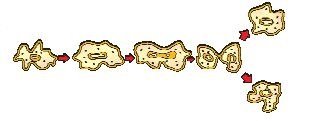
Q. Refer to the Figure (DNA Copying and Cell Division). Which process shown in the figure is considered the basic event in reproduction?
a) Protein breakdown
b) Formation of chromosomes
c) DNA copying
d) Removal of cellular apparatus
Answer: c) DNA copying
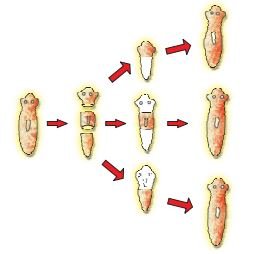
Q. Refer to the Figure (Regeneration in Planaria). What does the figure demonstrate?
a) Binary fission producing two individuals
b) Bud formation in Hydra
c) Development of complete organisms from body pieces
d) Multiple fission in Plasmodium
Answer: c) Development of complete organisms from body pieces
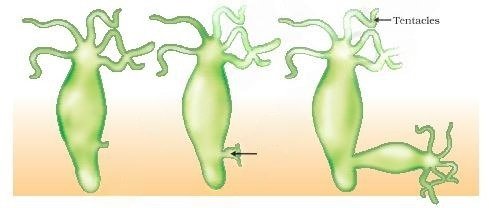
Q. Refer to the Figure (Budding in Hydra). The new individual develops from:
a) A fragment of the body
b) A bud formed by repeated cell division at a specific site
c) Multiple daughter cells formed simultaneously
d) Binary division of the parent body
Answer: b) A bud formed by repeated cell division at a specific site
Q. Refer to the Figure (Leaf of Bryophyllum with buds). The buds present along the leaf margin can develop into:
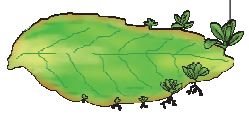
a) Spores only
b) Flowers only
c) New plants
d) Fruits only
Answer: c) New plants
Q. Refer to the Figure (Spore Formation in Rhizopus). The structures that contain spores are called:
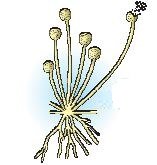
a) Hyphae
b) Callus
c) Gametes
d) Sporangia
Answer: d) Sporangia
Q. Refer to the Figure (Longitudinal Section of Flower). Which floral part receives the pollen grains during pollination?
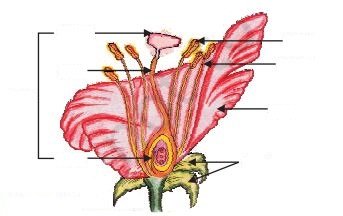
a) Ovary
b) Anther
c) Ovule
d) Stigma
Answer: d) Stigma
Q. Refer to the Figure (Germination of Pollen on Stigma). The tube-like structure growing from the pollen grain helps in:
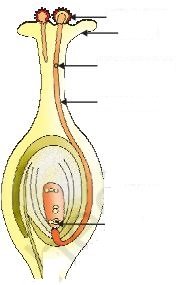
a) Fruit dispersal
b) Transport of male germ-cells to the ovule
c) Formation of sepals
d) Production of nectar
Answer: b) Transport of male germ-cells to the ovule
Q. In Human Male Reproductive System. Which organ is responsible for the production of sperms?
a) Prostate gland
b) Urethra
c) Testis
d) Urinary bladder
Answer: c) Testis
Q. In Human Female Reproductive System. Fertilisation usually occurs in the:
a) Uterus
b) Ovary
c) Vagina
d) Oviduct (Fallopian tube)
Answer: d) Oviduct (Fallopian tube)
Disclaimer: The content that is present on our website is based on the NCERT Class 10 Science textbook and is provided for educational purposes only. All the content and images have been taken from Science Class 10 NCERT Textbook. Images and content shown above are the property of individual organizations and are used here for reference purposes only. To make it easy to understand, some of the content and images are generated by AI and cross-checked by the teachers.