
India’s Long Road to Independence Class 8 MCQ with Answers provides important multiple-choice questions based on the chapter. These MCQs help Class 8 students revise key events, movements, leaders, and important developments related to India’s struggle for independence. The questions are useful for quick revision and exam preparation.
India’s Long Road to Independence Class 8 MCQ with Answers
Conceptual Recall
Q. Who founded the Brahmo Samaj in 1828?
A. Swami Dayananda Saraswati
B. Raja Ram Mohan Roy
C. Jyotirao Phule
D. Syed Ahmad Khan
Answer: B. Raja Ram Mohan Roy
Q. Which Act of 1878 prohibited Indians from keeping arms but allowed the British to do so?
A. Vernacular Press Act
B. Arms Act
C. Rowlatt Act
D. Pitt’s India Act
Answer: B. Arms Act
Q. Who was elected the first president of the Indian National Congress in 1885?
A. Dadabhai Naoroji
B. Allan Octavian Hume
C. Womesh Chunder Bonnerjee
D. Bal Gangadhar Tilak
Answer: C. Womesh Chunder Bonnerjee
Q. The Kuka Movement was also known as:
A. Arya Samaj Movement
B. Namdhari Movement
C. Brahmo Samaj Movement
D. Anushilan Samiti
Answer: B. Namdhari Movement
Q. Who was the Viceroy of India who announced the Partition of Bengal in 1905?
A. Lord Curzon
B. Lord Ripon
C. Lord Dalhousie
D. Lord Wellesley
Answer: A. Lord Curzon
Q. Which patriotic song was sung in protest rallies during the Bengal Partition, later banned by the British?
A. Jana Gana Mana
B. Subh Sukh Chain
C. Sare Jahan Se Achha
D. Vande Mataram
Answer: D. Vande Mataram
Q. The All-India Muslim League was founded in 1906 at:
A. Dhaka
B. Calcutta
C. Lahore
D. Bombay
Answer: A. Dhaka
Q. Who was called the “Lion of Punjab” for his powerful speeches and writings?
A. Bal Gangadhar Tilak
B. Aurobindo Ghose
C. Lala Lajpat Rai
D. Dadabhai Naoroji
Answer: C. Lala Lajpat Rai
Q. Who launched the Home Rule Movement in 1916 along with Tilak?
A. Annie Besant
B. Dadabhai Naoroji
C. Gopal Krishna Gokhale
D. Surendranath Banerjee
Answer: A. Annie Besant
Q. Under the Lucknow Pact (1916), Congress accepted:
A. Abolition of separate electorates
B. Separate electorates for Muslims
C. Immediate independence from Britain
D. Complete boycott of British goods
Answer: B. Separate electorates for Muslims
Q. Who ordered the firing on the peaceful crowd at Jallianwala Bagh in 1919?
A. Lord Curzon
B. O’Dwyer
C. Lord Ripon
D. Brigadier-General Dyer
Answer: D. Brigadier-General Dyer
Q. Who returned his knighthood in protest against the Jallianwala Bagh massacre?
A. Bal Gangadhar Tilak
B. Rabindranath Tagore
C. Mahatma Gandhi
D. Jawaharlal Nehru
Answer: B. Rabindranath Tagore
Q. The Kakori Train Robbery (1925) was carried out by members of:
A. Hindustan Republican Association (HRA)
B. Indian National Congress
C. Swaraj Party
D. Muslim League
Answer: A. Hindustan Republican Association (HRA)
Q. Who among the following was not hanged in 1931 along with Bhagat Singh?
A. Sukhdev Thapar
B. Shivaram Rajguru
C. Chandrashekhar Azad
D. Bhagat Singh
Answer: C. Chandrashekhar Azad
Q. The Gandhi–Irwin Pact (1931) allowed:
A. Complete independence for India
B. Limited private manufacture of salt and release of non-violent political prisoners
C. Separate electorates for Muslims
D. Abolition of land revenue
Answer: B. Limited private manufacture of salt and release of non-violent political prisoners
Q. The Poona Pact (1932) between Gandhi and Ambedkar resulted in:
A. Separate electorates for Depressed Classes
B. More reserved seats for Depressed Classes in legislatures instead of separate electorates
C. Abolition of caste system
D. Immediate independence for India
Answer: B. More reserved seats for Depressed Classes in legislatures instead of separate electorates
Q. Who led the Quit India Movement with the slogan “Do or Die” in 1942?
A. Jawaharlal Nehru
B. Subhas Chandra Bose
C. Mahatma Gandhi
D. Sardar Patel
Answer: C. Mahatma Gandhi
Q. Who hoisted the national flag at Gowalia Tank Maidan in Bombay when senior leaders were arrested during Quit India?
A. Sarojini Naidu
B. Aruna Asaf Ali
C. Kanaklata Barua
D. Annie Besant
Answer: B. Aruna Asaf Ali
Q. Who was the last Viceroy of British India who oversaw the Partition in 1947?
A. Lord Curzon
B. Lord Dalhousie
C. Lord Ripon
D. Lord Mountbatten
Answer: D. Lord Mountbatten
Q. Who was entrusted with drawing the boundary line between India and Pakistan in 1947?
A. Jawaharlal Nehru
B. Cyril Radcliffe
C. Vallabhbhai Patel
D. Muhammad Ali Jinnah
Answer: B. Cyril Radcliffe
Q. Who became the first Prime Minister of independent India in 1947?
A. Jawaharlal Nehru
B. Vallabhbhai Patel
C. Subhas Chandra Bose
D. Rajendra Prasad
Answer: A. Jawaharlal Nehru
Application-Based
Q. Why did Bankim Chandra Chattopadhyay’s novel Anandamath become important in the freedom struggle?
A. It described British reforms
B. It introduced the poem Bande Mataram which became a rallying cry
C. It was the first novel in English
D. It criticised Indian reformers
Answer: B. It introduced the poem Bande Mataram which became a rallying cry
Q. Swami Vivekananda advised Jamsetji Tata to establish a research institute. Which institute was later founded as a result?
A. Indian Institute of Technology
B. Banaras Hindu University
C. Indian Institute of Science
D. Aligarh Muslim University
Answer: C. Indian Institute of Science
Q. Why did the early Congress leaders believe loyalty to the British Crown would help India?
A. They thought it would bring more Indian participation in governance and reforms
B. They wanted to overthrow British rule immediately
C. They believed India should remain a colony forever
D. They wanted to stop all trade with Britain
Answer: A. They thought it would bring more Indian participation in governance and reforms
Q. Bal Gangadhar Tilak turned Ganesh Chaturthi and Shivaji festival into patriotic gatherings. What was the main purpose?
A. To promote religious rituals only
B. To awaken people against colonial oppression using cultural symbols
C. To celebrate British reforms
D. To support missionary activities
Answer: B. To awaken people against colonial oppression using cultural symbols
Q. Why did people tie rakhis on each other’s wrists during the protests against Bengal Partition?
A. To symbolise unity between Hindus and Muslims against British division
B. To show loyalty to the British Crown
C. To celebrate Raksha Bandhan festival only
D. To promote Swadeshi goods
Answer: A. To symbolise unity between Hindus and Muslims against British division
Q. Why did the Boycott Movement face limitations?
A. British goods were banned completely
B. Leaders did not support Swadeshi
C. Indian institutions were not strong enough to replace British ones
D. People were unwilling to protest
Answer: C. Indian institutions were not strong enough to replace British ones
Q. Why did the Surat Split (1907) occur in the Congress?
A. Moderates wanted gradual reforms, while Nationalists demanded Swaraj
B. Leaders disagreed on religious issues
C. British banned the Congress session
D. Congress was divided into North and South wings
Answer: A. Moderates wanted gradual reforms, while Nationalists demanded Swaraj
Q. Why did the Ghadar Movement (1914–15) fail?
A. Leaders were not committed
B. British intelligence uncovered the plot and arrested revolutionaries
C. The German arms shipment arrived late
D. Indians did not support mutiny
Answer: B. British intelligence uncovered the plot and arrested revolutionaries
Q. Why was khadi cloth promoted by Gandhi during the Non-Cooperation Movement?
A. To encourage foreign trade
B. To symbolise Swadeshi and self-reliance, and provide work to villagers
C. To replace cotton with silk
D. To support British textile mills
Answer: B. To symbolise Swadeshi and self-reliance, and provide work to villagers
Q. Why did Gandhi call Swadeshi a “religious duty”?
A. Because it was linked to Hindu rituals
B. Because it was ordered by the British Crown
C. Because it united people economically and morally against foreign rule
D. Because it was only for peasants
Answer: C. Because it united people economically and morally against foreign rule
Q. Why did Gandhi support the Khilafat Movement?
A. To unite Hindus and Muslims against British rule
B. To support the Turkish Sultan only
C. To oppose Hindu leaders in Congress
D. To promote British reforms
Answer: A. To unite Hindus and Muslims against British rule
Q. Why did Gandhi abruptly call off the Non-Cooperation Movement in 1922?
A. Because Swaraj was achieved
B. Because protesters at Chauri Chaura killed policemen by burning a station
C. Because the British accepted all demands
D. Because Tilak opposed the movement
Answer: B. Because protesters at Chauri Chaura killed policemen by burning a station
Q. Why did Bhagat Singh and his associates throw bombs in the Central Legislative Assembly in 1929?
A. To kill British officials
B. To “make the deaf hear” and spread revolutionary ideas
C. To destroy government property
D. To support the Simon Commission
Answer: B. To “make the deaf hear” and spread revolutionary ideas
Q. Why did Gandhi choose salt as the symbol for Civil Disobedience in 1930?
A. Because salt was a luxury item
B. Because the colonial government had a monopoly and taxed it heavily
C. Because salt was imported from Britain
D. Because salt was used only by the rich
Answer: B. Because the colonial government had a monopoly and taxed it heavily
Q. Why did Gandhi oppose separate electorates for the Depressed Classes?
A. He wanted to abolish reservations completely
B. He wanted Ambedkar to lead Congress
C. He feared it would permanently divide Hindu society
D. He supported British policies
Answer: C. He feared it would permanently divide Hindu society
Q. Why did Subhas Chandra Bose form the Indian National Army (INA) in 1943?
A. To support Gandhi’s non-violence
B. To fight alongside Japan against Britain and declare Azad Hind government
C. To oppose Muslim League
D. To promote British reforms
Answer: B. To fight alongside Japan against Britain and declare Azad Hind government
Q. Why did Viceroy Linlithgow call the Quit India Movement “the most serious rebellion since 1857”?
A. Because it was limited to Bombay only
B. Because it spread nationwide with strikes, rallies, and attacks on government buildings
C. Because it was supported by the British army
D. Because it was peaceful and non-violent
Answer: B. Because it spread nationwide with strikes, rallies, and attacks on government buildings
Q. Why did the Royal Indian Navy mutiny of 1946 alarm the British?
A. It showed that Indian soldiers could no longer be trusted to maintain colonial rule
B. It was a peaceful protest only
C. It was confined to one ship
D. It was organised by the Muslim League
Answer: A. It showed that Indian soldiers could no longer be trusted to maintain colonial rule
Q. Why did millions of people suddenly find themselves on the “wrong side” of the border after Partition?
A. Because the Radcliffe Line was drawn hastily without proper planning
B. Because the British gave people time to migrate peacefully
C. Because India already had clear boundaries before 1947
D. Because only princely states were divided
Answer: A. Because the Radcliffe Line was drawn hastily without proper planning
Q. Why is Sardar Vallabhbhai Patel called the Iron Man of India?
A. He opposed the Partition
B. He integrated over 560 princely states into India using persuasion and firmness
C. He was the first Prime Minister of India
D. He drew the Radcliffe Line
Answer: B. He integrated over 560 princely states into India using persuasion and firmness
Assertion–Reason
Q. Assertion (A): The Vernacular Press Act of 1878 was passed to regulate the Indian-language press.
Reason (R): The British wanted to encourage free expression among Indians.
A. Both A and R are true, and R is the correct explanation of A
B. Both A and R are true, but R is not the correct explanation of A
C. A is true, R is false
D. A is false, R is true
Answer: C. A is true, R is false
Q. Assertion (A): Swami Vivekananda inspired many freedom fighters.
Reason (R): He directly led political protests against the British.
A. Both A and R are true, and R is the correct explanation of A
B. Both A and R are true, but R is not the correct explanation of A
C. A is true, R is false
D. A is false, R is true
Answer: C. A is true, R is false
Q. Assertion (A): Allan Octavian Hume helped in founding the Indian National Congress.
Reason (R): He believed colonial policies were causing poverty in India.
A. Both A and R are true, and R is the correct explanation of A
B. Both A and R are true, but R is not the correct explanation of A
C. A is true, R is false
D. A is false, R is true
Answer: A. Both A and R are true, and R is the correct explanation of A
Q. Assertion (A): Birsa Munda led the Ulgulaan (Great Tumult) in 1899–1900.
Reason (R): His movement was mainly to support British missionaries in Jharkhand.
A. Both A and R are true, and R is the correct explanation of A
B. Both A and R are true, but R is not the correct explanation of A
C. A is true, R is false
D. A is false, R is true
Answer: C. A is true, R is false
Q. Assertion (A): The Swadeshi Movement encouraged people to use Indian-made goods.
Reason (R): It aimed to reduce dependence on British goods and strengthen Indian industries.
A. Both A and R are true, and R is the correct explanation of A
B. Both A and R are true, but R is not the correct explanation of A
C. A is true, R is false
D. A is false, R is true
Answer: A. Both A and R are true, and R is the correct explanation of A
Q. Assertion (A): The Bande Mataram daily launched by Bipin Chandra Pal openly used the word “independence.”
Reason (R): The colonial government allowed newspapers to freely demand independence.
A. Both A and R are true, and R is the correct explanation of A
B. Both A and R are true, but R is not the correct explanation of A
C. A is true, R is false
D. A is false, R is true
Answer: D. A is false, R is true
Q. Assertion (A): Khudiram Bose became a national hero after his execution in 1908.
Reason (R): He calmly faced death and inspired crowds during his funeral procession.
A. Both A and R are true, and R is the correct explanation of A
B. Both A and R are true, but R is not the correct explanation of A
C. A is true, R is false
D. A is false, R is true
Answer: A. Both A and R are true, and R is the correct explanation of A
Q. Assertion (A): The Cellular Jail in the Andamans was nicknamed Kala Pani.
Reason (R): It was designed for solitary confinement and brutal punishment of revolutionaries.
A. Both A and R are true, and R is the correct explanation of A
B. Both A and R are true, but R is not the correct explanation of A
C. A is true, R is false
D. A is false, R is true
Answer: A. Both A and R are true, and R is the correct explanation of A
Q. Assertion (A): The Rowlatt Act (1919) allowed police to detain people without trial.
Reason (R): It was passed to increase civil liberties of Indians.
A. Both A and R are true, and R is the correct explanation of A
B. Both A and R are true, but R is not the correct explanation of A
C. A is true, R is false
D. A is false, R is true
Answer: C. A is true, R is false
Q. Assertion (A): Gandhi became the undisputed leader of the Congress after Tilak’s death in 1920.
Reason (R): Tilak’s death created a leadership vacuum, and Gandhi’s mass appeal filled it.
A. Both A and R are true, and R is the correct explanation of A
B. Both A and R are true, but R is not the correct explanation of A
C. A is true, R is false
D. A is false, R is true
Answer: A. Both A and R are true, and R is the correct explanation of A
Q. Assertion (A): The Khilafat Movement ended in 1924.
Reason (R): Mustafa Kemal abolished the Caliphate in Turkey.
A. Both A and R are true, and R is the correct explanation of A
B. Both A and R are true, but R is not the correct explanation of A
C. A is true, R is false
D. A is false, R is true
Answer: A. Both A and R are true, and R is the correct explanation of A
Q. Assertion (A): The Simon Commission (1927) was welcomed by Indians.
Reason (R): It had no Indian members, which angered people.
A. Both A and R are true, and R is the correct explanation of A
B. Both A and R are true, but R is not the correct explanation of A
C. A is true, R is false
D. A is false, R is true
Answer: D. A is false, R is true
Q. Assertion (A): The Lahore Session of Congress in 1929 declared Purna Swaraj as its goal.
Reason (R): Britain had already granted Dominion Status to India.
A. Both A and R are true, and R is the correct explanation of A
B. Both A and R are true, but R is not the correct explanation of A
C. A is true, R is false
D. A is false, R is true
Answer: C. A is true, R is false
Q. Assertion (A): Women played an active role in the Civil Disobedience Movement.
Reason (R): Many women broke the salt law, joined processions, and picketed shops.
A. Both A and R are true, and R is the correct explanation of A
B. Both A and R are true, but R is not the correct explanation of A
C. A is true, R is false
D. A is false, R is true
Answer: A. Both A and R are true, and R is the correct explanation of A
Q. Assertion (A): Muhammad Iqbal proposed a separate Muslim territory in northwestern India in 1930.
Reason (R): He believed this would help Muslims preserve their culture and identity.
A. Both A and R are true, and R is the correct explanation of A
B. Both A and R are true, but R is not the correct explanation of A
C. A is true, R is false
D. A is false, R is true
Answer: A. Both A and R are true, and R is the correct explanation of A
Q. Assertion (A): World War II caused food shortages and famine in India.
Reason (R): Much Indian grain was exported abroad to feed British soldiers.
A. Both A and R are true, and R is the correct explanation of A
B. Both A and R are true, but R is not the correct explanation of A
C. A is true, R is false
D. A is false, R is true
Answer: A. Both A and R are true, and R is the correct explanation of A
Q. Assertion (A): The Cripps Mission (1942) offered India Dominion Status after World War II.
Reason (R): Congress leaders rejected it because provinces could opt out, weakening unity.
A. Both A and R are true, and R is the correct explanation of A
B. Both A and R are true, but R is not the correct explanation of A
C. A is true, R is false
D. A is false, R is true
Answer: A. Both A and R are true, and R is the correct explanation of A
Q. Assertion (A): Jinnah called for Direct Action Day in 1946.
Reason (R): He wanted to press for the demand of Pakistan through peaceful coexistence.
A. Both A and R are true, and R is the correct explanation of A
B. Both A and R are true, but R is not the correct explanation of A
C. A is true, R is false
D. A is false, R is true
Answer: C. A is true, R is false
Q. Assertion (A): The Partition of India in 1947 led to widespread violence and displacement.
Reason (R): It was caused by mistrust between communities and a rushed boundary plan.
A. Both A and R are true, and R is the correct explanation of A
B. Both A and R are true, but R is not the correct explanation of A
C. A is true, R is false
D. A is false, R is true
Answer: A. Both A and R are true, and R is the correct explanation of A
Q. Assertion (A): Britain’s exit from India was only due to Gandhi’s non-violent struggle.
Reason (R): Other factors like World War II, military mutinies, and revolutionary actions also played a role.
A. Both A and R are true, and R is the correct explanation of A
B. Both A and R are true, but R is not the correct explanation of A
C. A is true, R is false
D. A is false, R is true
Answer: C. A is true, R is false
Case Study Based
Q. In 1995, wolves were introduced in Yellowstone National Park (USA) to control elk. This restored ecological balance by reducing overgrazing and allowing flora to return.
Question: Which lesson can be applied to India’s freedom struggle from this example?
A. Balance in society can be restored by reforms and corrective actions
B. Freedom fighters depended only on foreign help
C. Nature has no role in human struggles
D. Introducing animals was the only way to fight colonialism
Answer: A. Balance in society can be restored by reforms and corrective actions
Q. In 1897, during a plague in Poona, the Chapekar brothers killed the British Plague Commissioner and a military officer. They were later arrested and hanged.
Question: What does this incident show about Indian resistance?
A. Indians always accepted colonial measures peacefully
B. Harsh colonial policies often provoked violent resistance
C. Indians had no role in resisting British rule
D. The plague was welcomed by the people
Answer: B. Harsh colonial policies often provoked violent resistance
Q. In 1906, the Congress session at Calcutta declared Swaraj, Swadeshi, Boycott, and National Education as its objectives. Swaraj was not clearly defined — it ranged from self-rule within the British Empire to full independence.
Question: What does this show about the nationalist agenda at that time?
A. Swaraj meant loyalty to the British Crown
B. Leaders had a clear single definition of independence
C. There were multiple interpretations of Swaraj, showing evolving ideas of freedom
D. Congress only wanted social reforms, not political change
Answer: C. There were multiple interpretations of Swaraj, showing evolving ideas of freedom
Q. In 1915, Bagha Jatin and his companions fought a 75‑minute gunbattle against British forces near Balasore, Odisha, while trying to receive German arms for a planned insurrection. Severely wounded, Jatin died the next day.
Question: What does this incident highlight about revolutionary movements?
A. They were weak and had no public support
B. They showed extraordinary courage and sacrifice despite failure
C. They were only supported by foreign powers
D. They were limited to Bengal alone
Answer: B. They showed extraordinary courage and sacrifice despite failure
Q. In 1918, Gandhi applied satyagraha to support peasants in Kheda, Gujarat, who were forced to pay excessive land revenue despite famine. Vallabhbhai Patel led the Bardoli movement later in 1928, earning the title “Sardar.”
Question: What do these examples show about Gandhi’s method?
A. It focused on violent resistance
B. It used non-violent satyagraha to address local grievances and empower peasants
C. It depended only on British reforms
D. It ignored farmers’ problems
Answer: B. It used non-violent satyagraha to address local grievances and empower peasants
Q. In October 1928, Lala Lajpat Rai led a nonviolent march against the Simon Commission in Lahore. He was brutally lathi-charged by police, later declaring that “the blows struck at me will be the last nails in the coffin of British rule.” He died two weeks later from his injuries.
Question: What does this incident show?
A. British reforms were welcomed by Indians
B. Harsh repression increased nationalist anger and strengthened calls for self-rule
C. Indians stopped protesting after his death
D. The Simon Commission was accepted by Congress
Answer: B. Harsh repression increased nationalist anger and strengthened calls for self-rule
Q. In April 1930, British troops fired on peaceful protesters in Peshawar’s Qissa Khwani Bazaar after the arrest of Abdul Ghaffar Khan. Hundreds were killed, but soldiers of the Royal Garhwal Rifles refused to fire on the crowd, choosing jail instead.
Question: What does this incident show?
A. British soldiers always supported colonial repression
B. Abdul Ghaffar Khan promoted violence
C. Indian soldiers sometimes defied orders to protect fellow Indians
D. The Civil Disobedience Movement was unsuccessful
Answer: C. Indian soldiers sometimes defied orders to protect fellow Indians
Q. In 1943, Subhas Chandra Bose formed the INA in Singapore from Indian prisoners of war and volunteers. The INA fought alongside Japan in Burma and northeastern India but was militarily defeated.
Question: What does this incident show about Bose’s strategy?
A. He relied only on non-violence
B. He sought foreign alliances to achieve independence through armed struggle
C. He wanted Dominion Status within the Empire
D. He opposed complete independence
Answer: B. He sought foreign alliances to achieve independence through armed struggle
Q. Kanaklata Barua, a 17-year-old activist from Assam, was shot dead while leading a procession to hoist the national flag at a police station during the Quit India Movement. She is remembered as ‘Birangana’ (heroic woman).
Question: What does her sacrifice symbolise?
A. The role of youth and women in the freedom struggle
B. That only men fought in Quit India
C. That the movement was confined to Assam
D. That the British supported flag hoisting
Answer: A. The role of youth and women in the freedom struggle
Q. In August 1947, independence came with joy but also sorrow. Millions migrated across new borders, facing violence, loss of homes, and separation from families. Gandhi lamented that “all the forces of evil have come to the surface.”
Question: What does this incident highlight?
A. Independence was peaceful and without problems
B. Partition brought both freedom and immense human tragedy
C. Gandhi supported communal violence
D. The British gave enough time for safe migration
Answer: B. Partition brought both freedom and immense human tragedy
Diagram/Visual-Based
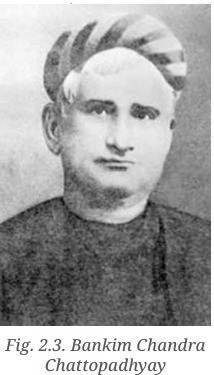
Q. The image shows Bankim Chandra Chattopadhyay. Which of his works inspired nationalist feelings?
A. Gitanjali
B. Anandamath
C. Discovery of India
D. Hind Swaraj
Answer: B. Anandamath
Q. The postage stamps honour reformers like Raja Ram Mohan Roy and Jyotirao Phule. What was their common contribution?
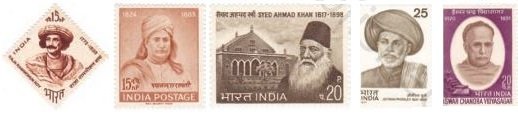
A. Promotion of modern education and social reform
B. Expansion of British trade
C. Establishment of princely states
D. Introduction of Arms Act
Answer: A. Promotion of modern education and social reform
Q. The stamp shows lyrics of Vande Mataram. Who set the song to music and sang it at the 1896 Congress Session?
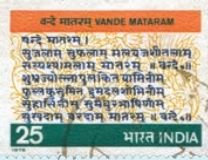
A. Swami Vivekananda
B. Rabindranath Tagore
C. Mahatma Gandhi
D. Bal Gangadhar Tilak
Answer: B. Rabindranath Tagore
Q. The image shows Allan Octavian Hume. What was his role in Indian politics?
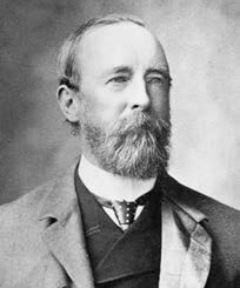
A. He was the first president of Congress
B. He helped found the Indian National Congress in 1885
C. He led the Kuka Movement
D. He translated the Bhagavad Gita
Answer: B. He helped found the Indian National Congress in 1885
Q. The painting shows a Namdhari (Kuka) Sikh. What was one major reform of the Kuka Movement?
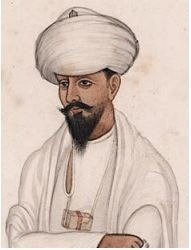
A. Simplified marriage rituals to end dowry
B. Promotion of child marriage
C. Support for cow slaughter near gurdwaras
D. Encouragement of foreign goods
Answer: A. Simplified marriage rituals to end dowry
Q. The image shows Bal Gangadhar Tilak. Why was he called Lokmanya?
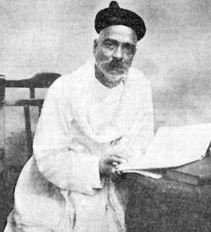
A. He was elected as the first Congress president
B. He was revered by the people for his leadership and writings against colonial rule
C. He was a British officer in India
D. He was a tribal leader from Jharkhand
Answer: B. He was revered by the people for his leadership and writings against colonial rule
Q. The image shows the Lal-Bal-Pal trio. Who were they?
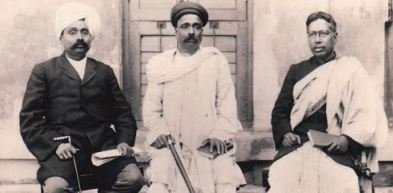
A. Dadabhai Naoroji, Allan Octavian Hume, W.C. Bonnerjee
B. Rabindranath Tagore, Surendranath Banerjee, Ashwini Kumar Dutt
C. Mahatma Gandhi, Jawaharlal Nehru, Sardar Patel
D. Lala Lajpat Rai, Bal Gangadhar Tilak, Bipin Chandra Pal
Answer: D. Lala Lajpat Rai, Bal Gangadhar Tilak, Bipin Chandra Pal
Q. The front page of the Bande Mataram daily is shown. What was its main contribution?
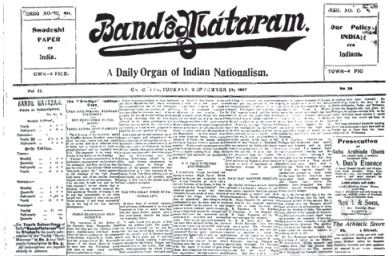
A. It spread nationalist ideas and promoted passive resistance
B. It supported British reforms
C. It opposed Swadeshi and Boycott
D. It promoted missionary activities
Answer: A. It spread nationalist ideas and promoted passive resistance
Q. Paintings like Bharat Mata by Abanindranath Tagore and covers of magazines like Vijaya portrayed Mother India. What was their purpose?
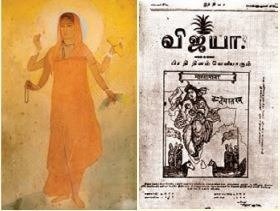
A. To advertise foreign goods
B. To discourage unity among Indians
C. To inspire cultural pride and nationalism
D. To promote British art styles
Answer: C. To inspire cultural pride and nationalism
Q. The image shows Tilak addressing the Nationalists’ separate session after the Surat Split. Why was this session held?
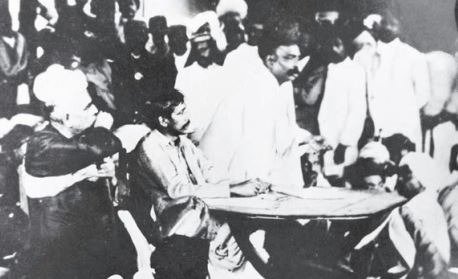
A. Moderates prevented Tilak from speaking, forcing Nationalists to hold their own meeting
B. British banned the Congress session
C. It was a celebration of Swadeshi industries
D. It was organised by the Muslim League
Answer: A. Moderates prevented Tilak from speaking, forcing Nationalists to hold their own meeting
Q. The image shows Khudiram Bose after his arrest. What was he accused of?
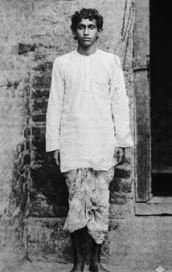
A. Writing seditious articles in Kesari
B. Throwing bombs at a carriage to assassinate Judge Kingsford
C. Leading the Ghadar Party in America
D. Organising the Surat Congress session
Answer: B. Throwing bombs at a carriage to assassinate Judge Kingsford
Q. The image shows a cell in the Cellular Jail. What was its purpose?
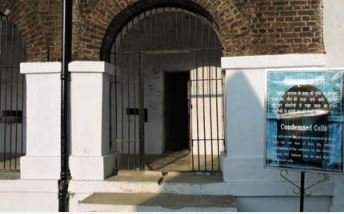
A. To house British officials
B. To keep prisoners condemned to death before execution
C. To train revolutionaries in secret
D. To store weapons
Answer: B. To keep prisoners condemned to death before execution
Q. The image shows Gandhi spinning khadi. What did this symbolise?
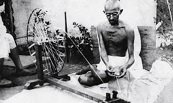
A. Dependence on British mills
B. Self-reliance and Swadeshi
C. Celebration of festivals
D. Support for silk industries
Answer: B. Self-reliance and Swadeshi
Q. The Nagpur Session of Congress (1920) formally launched:
A. Swadeshi Movement
B. Quit India Movement
C. Non-Cooperation Movement
D. Civil Disobedience Movement
Answer: C. Non-Cooperation Movement
Q. Gandhi’s method of satyagraha was based on:
A. Violence and armed struggle
B. Passive resistance, nonviolence, and acceptance of suffering
C. Blind imitation of the West
D. Support for British Crown
Answer: B. Passive resistance, nonviolence, and acceptance of suffering
Q. The Martyrs’ Memorial in Jallianwala Bagh commemorates:
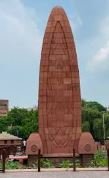
A. The victims of the 1919 massacre in Amritsar
B. The leaders of the Khilafat Movement
C. The Simon Commission protests
D. The Quit India Movement
Answer: A. The victims of the 1919 massacre in Amritsar
Q. The image shows Maulana Abul Kalam Azad. What was his role in 1919–1920?
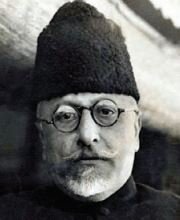
A. He opposed the Khilafat Movement
B. He was one of the leaders of the Khilafat Movement, allied with Gandhi
C. He led the Simon Commission
D. He was Governor of Punjab
Answer: B. He was one of the leaders of the Khilafat Movement, allied with Gandhi
Q. The postage stamp honours Lala Lajpat Rai. Why is he remembered in 1928?
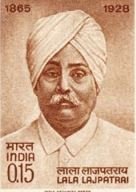
A. He founded the Swaraj Party
B. He died after injuries from police lathi-charge during Simon Commission protests
C. He opposed the Khilafat Movement
D. He was the first president of Congress
Answer: B. He died after injuries from police lathi-charge during Simon Commission protests
Q. The image shows Bhagat Singh, Ashfaqulla Khan, and Chandrashekhar Azad. Which organisation did they lead after reorganising HRA?
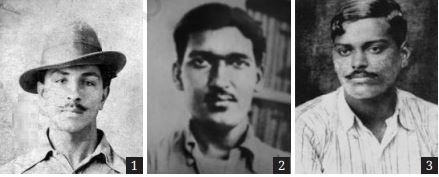
A. Indian National Congress
B. Muslim League
C. Swaraj Party
D. Hindustan Socialist Republican Association (HSRA)
Answer: D. Hindustan Socialist Republican Association (HSRA)
Q. The image shows the Lahore Session of Congress (1929). What was its historic resolution?
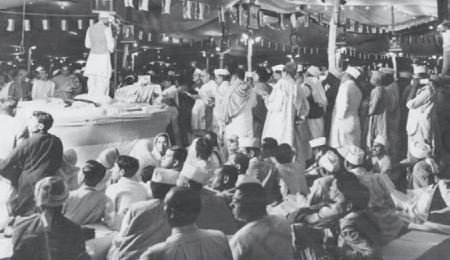
A. Dominion Status
B. Purna Swaraj (Complete Independence)
C. Home Rule within Empire
D. Separate electorates for Muslims
Answer: B. Purna Swaraj (Complete Independence)
Q. The image shows the Salt March (Dandi March) led by Gandhi. How long was the march?
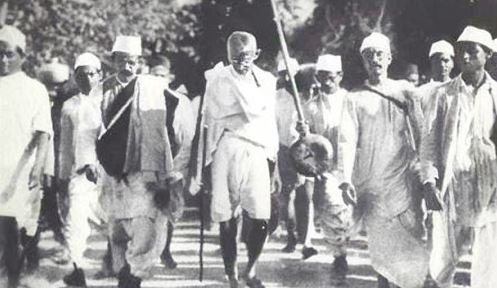
A. 100 km
B. 380 km
C. 500 km
D. 250 km
Answer: B. 380 km
Q. The image shows Khan Abdul Ghaffar Khan with Gandhi. What was Khan’s role in the freedom struggle?
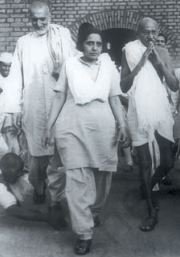
A. He was committed to non-violent methods and mobilised people in the North-West Frontier Province
B. He promoted violent revolution
C. He opposed Gandhi’s leadership
D. He supported British reforms
Answer: A. He was committed to non-violent methods and mobilised people in the North-West Frontier Province
Q. The image shows Subhas Chandra Bose. What was his major contribution during World War II?
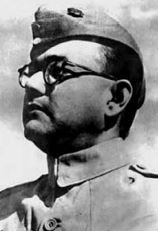
A. He led the Quit India Movement
B. He formed the Indian National Army and Azad Hind government
C. He opposed the Simon Commission
D. He signed the Gandhi–Irwin Pact
Answer: B. He formed the Indian National Army and Azad Hind government
Q. The Lahore Session of Muslim League (1930) presided by Muhammad Iqbal is remembered for:
A. Demand for Dominion Status
B. Gandhi’s fast unto death
C. Launch of Civil Disobedience Movement
D. Proposal of a separate Muslim territory in northwestern India
Answer: D. Proposal of a separate Muslim territory in northwestern India
Q. The image shows atrocities committed on common people during Quit India (1942). What does this highlight?
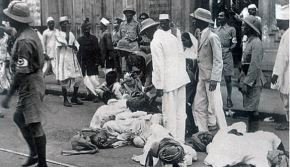
A. The peaceful nature of British rule
B. The brutal repression of mass protests by colonial authorities
C. The success of Cripps Mission
D. The role of Muslim League
Answer: B. The brutal repression of mass protests by colonial authorities
Q. The postage stamp honours Aruna Asaf Ali. Why is she remembered in 1942?
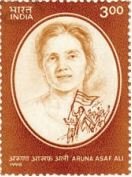
A. She opposed the Quit India Movement
B. She signed the Gandhi–Irwin Pact
C. She led the Royal Indian Navy mutiny
D. She hoisted the national flag at Gowalia Tank Maidan and went underground for years
Answer: D. She hoisted the national flag at Gowalia Tank Maidan and went underground for years
Q. The Cabinet Mission of 1946 proposed:
A. Complete independence immediately
B. Division of India into three groups of provinces with autonomy except defence, foreign affairs, and communication
C. Separate electorates for Depressed Classes
D. Abolition of land revenue
Answer: B. Division of India into three groups of provinces with autonomy except defence, foreign affairs, and communication
Q. The image shows Sardar Vallabhbhai Patel. What was his major contribution after independence?
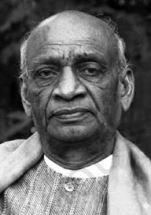
A. He became the first Prime Minister
B. He unified princely states into modern India
C. He drew the Radcliffe Line
D. He opposed the Indian Army
Answer: B. He unified princely states into modern India
Q. The image shows a special train carrying refugees during Partition. What does this symbolise?
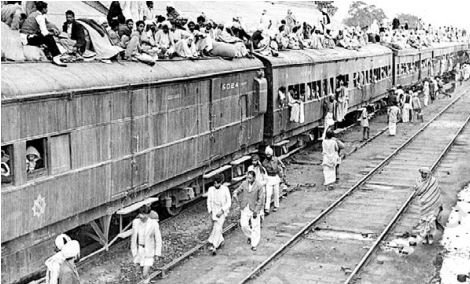
A. Peaceful migration across borders
B. The chaos and overcrowding faced by millions of displaced people
C. British generosity in providing transport
D. The success of the Cabinet Mission
Answer: B. The chaos and overcrowding faced by millions of displaced people
Disclaimer: The content that is present on our website is based on the NCERT Class 8 Social Science textbook and is provided for educational purposes only. All the content and images have been taken from Socail Science Class 8 NCERT Textbook. Images and content shown above are the property of individual organizations and are used here for reference purposes only. To make it easy to understand, some of the content and images are generated by AI and cross-checked by the teachers.