
Exploring the Investigative World of Science Class 8 Notes (Chapter 1) takes students on a journey from simple curiosity to scientific investigation. In this chapter, learners discover how to ask focused questions, design experiments, and make careful observations.
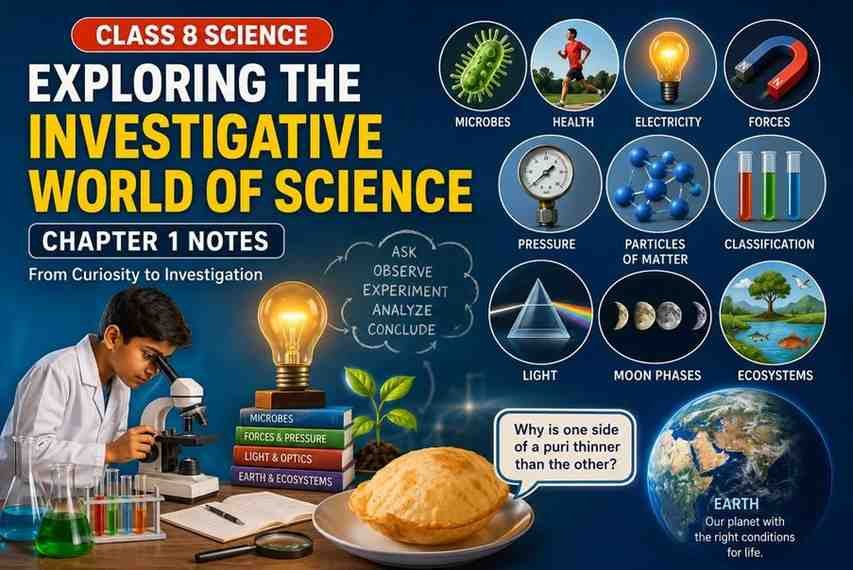
Exploring the Investigative World of Science Class 8 Notes
Science begins with curiosity. We ask “Why?” and “How?” about the world. Investigation in science means asking questions, doing experiments, and observing carefully. In Grade 8, we enter the investigative world of science. Investigation means more than just asking questions. It means:
- Asking clear, focused questions.
- Doing simple experiments.
- Watching carefully.
- Using observations to improve our ideas.
Key Points in this chapter:
1. Microbes
Microbes are tiny living things found in water. Some of them are helpful because they help to digest food and are used in medicines. But microbes are harmful because they can cause diseases.
2. Health
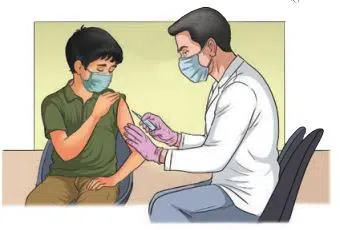
To stay healthy, our body needs nutritious food, regular exercise, medicines, and vaccines to protect us from infections.
3. Electricity
Electricity is very useful in our daily lives. The heating effect of electric current keeps us warm, while the magnetic effect helps motors and machines to run.

4. Forces
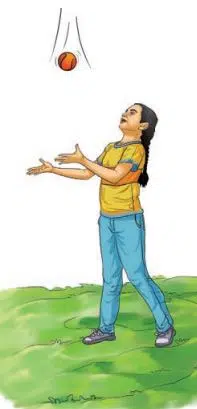
A force is a push or pull that makes objects move, stop, or change direction. For example, a ball thrown up in the air falls back to the ground, and a car stops when brakes are applied.
5. Pressure
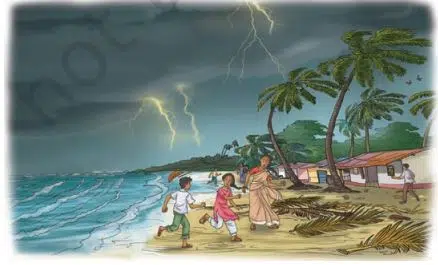
Pressure means how the force is spread over an area. A small difference in air pressure creates a gentle breeze, while a large difference can cause strong winds and cyclones.
6. Particles of matter
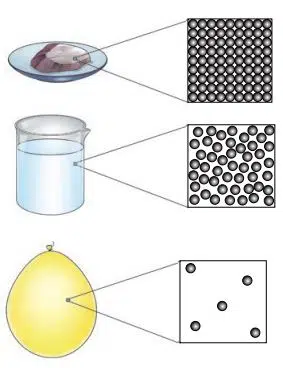
Everything around us is made of tiny particles. In solids, these particles are fixed and cannot move much, while in gases the particles move freely.
7. Classification
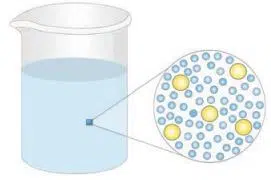
Science also groups materials into elements, compounds, and mixtures. Elements are pure substances, compounds are made of two or more elements joined together, and mixtures are combinations that can be separated physically.
8. Light
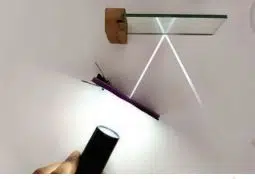
Light helps us to see the world. It reflects from mirrors and bends when passing through lenses. This bending of light is known as refraction.
9. Moon phases
The moon shows different shapes on different nights. These shapes are called phases of the Moon, and they happen because of the positions of the Earth, Moon, and Sun. Long ago, people used these phases to make calendars.

10. Ecosystems
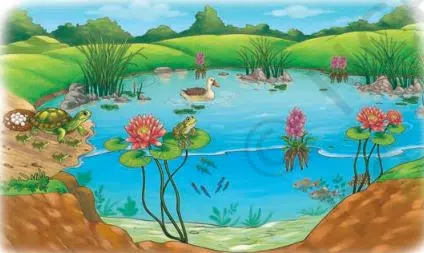
All living things depend on air, water, sunlight, and each other. This connection forms ecosystems that support life on Earth.
11. Earth
Earth is special because it is at the right distance from the sun, where water stays liquid. The earth also has oxygen and an atmosphere that protects us. But human activity can disturb the climate and cause problems for life.
To help you think like a scientist, let us go back to a question we asked on the first page: Why is one side of a puri thinner than the other?
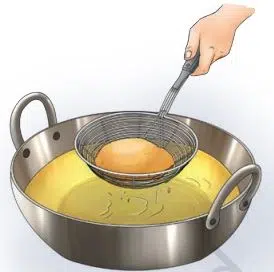
Science is everywhere, even in the kitchen. A puri puffs up when fried, and one side becomes thinner. To understand this, we can ask questions, change one thing at a time and observe what happens.
We can test the thickness of dough, type of flour or oil temperature. We can note the puri puffs, how long it takes and what side is thin. This careful process is called systematic investigation.
Disclaimer: The content that is present on our website is based on the NCERT Class 8 Science textbook and is provided for educational purposes only. All the content and images have been taken from Science Class 8 NCERT Textbook. Images and content shown above are the property of individual organizations and are used here for reference purposes only. To make it easy to understand, some of the content and images are generated by AI and cross-checked by the teachers.