
← Back to Class 9 Social Science MCQs
Practice important multiple-choice questions (MCQs) from the Class 9 Social Science chapter Life on Earth. These questions cover biomes, biodiversity, forest dwellers, forest conservation, the Forest Rights Act (FRA), Joint Forest Management (JFM), and government initiatives such as PM JANMAN. Test your knowledge and revise important concepts to prepare for your examinations.
Life on Earth Class 9 MCQ
Conceptual Recall MCQs
Q. What is a biome?
a) A small area where only one species lives
b) A large natural region with similar climate, plants, and animals
c) A place made only of forests
d) A water body surrounded by land
Answer: b) A large natural region with similar climate, plants, and animals
Q. The word ‘bio’ in the term ‘biome’ is derived from a Greek word meaning:
a) Land
b) Forest
c) Life
d) Climate
Answer: c) Life
Q. Why are tropical rainforests known as a “gene bank”?
a) They store large amounts of minerals
b) They receive heavy rainfall
c) They preserve unique genetic material that supports conservation and research
d) They are used mainly for farming
Answer: c) They preserve unique genetic material that supports conservation and research
Q. Tropical rainforests are mainly found between:
a) The Arctic Circle and Antarctic Circle
b) The Tropic of Cancer and the Tropic of Capricorn
c) The Equator and Antarctic Circle
d) The Equator and Arctic Circle only
Answer: b) The Tropic of Cancer and the Tropic of Capricorn
Q. Which biome is known as the coldest biome on Earth?
a) Desert biome
b) Grassland biome
c) Tundra biome
d) Forest biome
Answer: c) Tundra biome
Q. What is the term used for soil that remains frozen for most of the year in the tundra biome?
a) Humus
b) Permafrost
c) Loam
d) Peat
Answer: b) Permafrost
Q. What does biodiversity refer to?
a) Only the variety of animals on Earth
b) Only the variety of plants on Earth
c) The variety of life forms, ecosystems, and genetic differences among species
d) Only the number of species in a forest
Answer: c) The variety of life forms, ecosystems, and genetic differences among species
Q. Which of the following is identified as a biodiversity hotspot in India?
a) Thar Desert
b) Western Ghats
c) Deccan Plateau
d) Indo-Gangetic Plain
Answer: b) Western Ghats
Q. Which of the following is a non-timber forest product (NTFP)?
a) Iron ore
b) Coal
c) Honey
d) Petroleum
Answer: c) Honey
Q. What is the main purpose of a Geographical Indication (GI) tag?
a) To identify products made in factories
b) To recognise products linked to a specific geographical region
c) To increase imports of products
d) To classify wildlife species
Answer: b) To recognise products linked to a specific geographical region
Q. Which Act recognises the rights of eligible communities over forest land and forest resources?
a) Bihar Fish Jalkar Management Act, 2006
b) Forest Rights Act (FRa) , 2006
c) PESA Act only
d) Joint Forest Management Programme
Answer: b) Forest Rights Act (FRa) , 2006
Q. What are ecological commons?
a) Resources owned by private companies
b) Resources used only by farmers
c) Natural resources shared and used collectively by a community
d) Resources found only in forests
Answer: c) Natural resources shared and used collectively by a community
Application-Based MCQs
Q. A scientist observes a region with broad-leaved trees that shed their leaves during a particular season. Which biome is being studied?
a) Temperate deciduous biome
b) Taiga biome
c) Tundra biome
d) Desert biome
Answer: a) Temperate deciduous biome
Q. A region is covered mainly with pine, spruce, and larch trees. Which biome is most likely found there?
a) Grassland biome
b) Desert biome
c) Taiga biome
d) Tropical rainforest biome
Answer: c) Taiga biome
Q. A farmer wants to cultivate crops in an area with fertile soil and vast open lands covered mainly with grasses. Which biome would be most suitable?
a) Grassland biome
b) Desert biome
c) Forest biome
d) Tundra biome
Answer: a) Grassland biome
Q. A plant can store water for a long time and survive in extremely dry conditions. In which biome is it most likely found?
a) Forest biome
b) Grassland biome
c) Desert biome
d) Taiga biome
Answer: c) Desert biome
Q. A scientist visits a region where trees are almost absent, the soil remains frozen for most of the year, and mosses and lichens are common. Which biome is he most likely studying?
a) Tundra biome
b) Grassland biome
c) Tropical rainforest biome
d) Savanna biome
Answer: a) Tundra biome
Q. A village depends mainly on a nearby lake for drinking water, irrigation, and fishing. This lake is part of which type of biome?
a) Marine biome
b) Forest biome
c) Freshwater biome
d) Tundra biome
Answer: c) Freshwater biome
Q. A conservation team is planning to protect mangrove forests along the coast. Which conservation approach are they following?
a) Ecosystem-based conservation
b) Urban conservation
c) Industrial conservation
d) Transport conservation
Answer: a) Ecosystem-based conservation
Q. A wildlife department creates a protected route connecting two forests so that animals can move safely between them. This route is known as a:
a) Gene bank
b) Biodiversity hotspot
c) Wildlife corridor
d) Biosphere reserve
Answer: c) Wildlife corridor
Q. A tribal family earns income by collecting tendu leaves, mahua flowers, and bamboo from nearby forests. This source of income is mainly related to:
a) Non-timber forest products
b) Mining activities
c) Industrial production
d) Fishing activities
Answer: a) Non-timber forest products
Q. A village introduces LPG connections under the Pradhan Mantri Ujjwala Yojana. Which problem faced by forest-dwelling women is likely to reduce?
a) Shortage of rainfall
b) Wildlife movement
c) Exposure to fumes from fuelwood
d) Landslides
Answer: c) Exposure to fumes from fuelwood
Q. A tribal family collects bamboo, honey, and medicinal plants from forests for their livelihood. Which provision of the Forest Rights Act supports this activity?
a) Right to collect minor forest produce
b) Right to build industries
c) Right to mine forest land
d) Right to own national parks
Answer: a) Right to collect minor forest produce
Q. A village community jointly protects a nearby lake and regulates fishing to ensure fish are not overexploited. Which concept does this best represent?
a) Privatisation
b) Commons-based resource management
c) Urban planning
d) Industrial development
Answer: b) Commons-based resource management
Q. Why is understanding biomes important for studying life on Earth?
a) It helps identify political boundaries of countries.
b) It explains only the movement of rivers.
c) It helps us understand how climate and physical conditions influence living organisms.
d) It focuses only on human settlements.
Answer: c) It helps us understand how climate and physical conditions influence living organisms.
Q. The camel found in Nubra Valley (Ladakh) has denser fur than the camel found in Rajasthan. What is the most suitable reason for this difference?
a) Nubra Valley receives more rainfall
b) Rajasthan has more grasslands
c) The denser fur helps the Nubra Valley camel survive colder climatic conditions
d) The Nubra Valley camel stores less water
Answer: c) The denser fur helps the Nubra Valley camel survive colder climatic conditions
Q. The tundra ecosystem is considered very fragile. What is the best reason for this?
a) It receives heavy rainfall throughout the year.
b) It contains a large number of trees.
c) It is located near the Equator.
d) Even small changes in temperature can affect its ecosystem.
Answer: d) Even small changes in temperature can affect its ecosystem.
Q. Why do many tribal communities perform rituals before collecting forest resources?
a) To increase tourism
b) To attract wild animals
c) To mark political boundaries
d) To show respect for forests and encourage sustainable use of resources
Answer: d) To show respect for forests and encourage sustainable use of resources
Q. Why are sacred groves considered important biodiversity hotspots despite being small in size?
a) They contain large industries
b) They are used only for tourism
c) They preserve rare plants, wildlife, and medicinal species
d) They receive the highest rainfall in India
Answer: c) They preserve rare plants, wildlife, and medicinal species
Q. Why is the Mendha Lekha model often considered an example of sustainable development?
a) It focuses only on increasing forest revenue.
b) It allows unrestricted use of forest resources.
c) It balances livelihood needs, community participation, and forest conservation.
d) It replaces traditional knowledge with modern technology.
Answer: c) It balances livelihood needs, community participation, and forest conservation
Assertion–Reason MCQs
Q. Assertion (a) : Different biomes support different types of plant and animal life.
Reason (R): Climate conditions such as temperature and precipitation vary from one biome to another.
a) Both A and R are true, and R is the correct explanation of A.
b) Both A and R are true, but R is not the correct explanation of A.
c) A is true, but R is false.
d) A is false, but R is true.
Answer: a) Both A and R are true, and R is the correct explanation of A.
Q. Assertion (a) : An ecosystem and a biome are exactly the same.
Reason (R): A biome is a broad environmental region, while an ecosystem is a smaller interacting unit within it.
a) Both A and R are true, and R is the correct explanation of A.
b) Both A and R are true, but R is not the correct explanation of A.
c) A is true, but R is false.
d) A is false, but R is true.
Answer: d) A is false, but R is true.
Q. Assertion (a) : Grasslands generally have very few trees.
Reason (R): Grasslands receive moderate rainfall, which is not enough to support dense forests.
a) Both A and R are true, and R is the correct explanation of A.
b) Both A and R are true, but R is not the correct explanation of A.
c) A is true, but R is false.
d) A is false, but R is true.
Answer: a) Both A and R are true, and R is the correct explanation of A.
Q. Assertion (a) : Deserts are the driest biomes on Earth.
Reason (R): Deserts receive very little rainfall.
a) Both A and R are true, and R is the correct explanation of A.
b) Both A and R are true, but R is not the correct explanation of A.
c) A is true, but R is false.
d) A is false, but R is true.
Answer: a) Both A and R are true, and R is the correct explanation of A.
Q. Assertion (a) : Trees are generally absent in the tundra biome.
Reason (R): The soil remains frozen for most of the year due to permafrost.
a) Both A and R are true, and R is the correct explanation of A.
b) Both A and R are true, but R is not the correct explanation of A.
c) A is true, but R is false.
d) A is false, but R is true.
Answer: a) Both A and R are true, and R is the correct explanation of A.
Q. Assertion (a) : Marine biomes influence the Earth’s climate.
Reason (R): Oceans and seas store and distribute heat.
a) Both A and R are true, and R is the correct explanation of A.
b) Both A and R are true, but R is not the correct explanation of A.
c) A is true, but R is false.
d) A is false, but R is true.
Answer: a) Both A and R are true, and R is the correct explanation of A.
Q. Assertion (a) : Geography plays an important role in biodiversity conservation.
Reason (R): Biodiversity is unevenly distributed across the Earth.
a) Both A and R are true, and R is the correct explanation of A.
b) Both A and R are true, but R is not the correct explanation of A.
c) A is true, but R is false.
d) A is false, but R is true.
Answer: a) Both A and R are true, and R is the correct explanation of A.
Q. Assertion (a) : Ecotourism encourages responsible travel to natural areas.
Reason (R): Ecotourism aims to minimise environmental damage while supporting local communities.
a) Both A and R are true, and R is the correct explanation of A.
b) Both A and R are true, but R is not the correct explanation of A.
c) A is true, but R is false.
d) A is false, but R is true.
Answer: a) Both A and R are true, and R is the correct explanation of A.
Q. Assertion (a) : Forest dwellers contribute to biodiversity conservation.
Reason (R): They possess traditional knowledge about the use of herbs, plants, and forest resources.
a) Both A and R are true, and R is the correct explanation of A.
b) Both A and R are true, but R is not the correct explanation of A.
c) A is true, but R is false.
d) A is false, but R is true.
Answer: a) Both A and R are true, and R is the correct explanation of A.
Q. Assertion (a) : GI tagging helps local communities economically.
Reason (R): GI-tagged products receive exclusive market recognition linked to their region.
a) Both A and R are true, and R is the correct explanation of A.
b) Both A and R are true, but R is not the correct explanation of A.
c) A is true, but R is false.
d) A is false, but R is true.
Answer: a) Both A and R are true, and R is the correct explanation of A.
Q. Assertion (a) : Joint Forest Management (JFM) encourages community participation in forest protection.
Reason (R): Local communities can benefit from forest produce while helping conserve forests.
a) Both A and R are true, and R is the correct explanation of A.
b) Both A and R are true, but R is not the correct explanation of A.
c) A is true, but R is false.
d) A is false, but R is true.
Answer: a) Both A and R are true, and R is the correct explanation of A.
Q. Assertion (a) : Protecting ecological commons is important for biodiversity conservation.
Reason (R): Ecological commons include shared resources such as forests, rivers, lakes, and grazing lands.
a) Both A and R are true, and R is the correct explanation of A.
b) Both A and R are true, but R is not the correct explanation of A.
c) A is true, but R is false.
d) A is false, but R is true.
Answer: a) Both A and R are true, and R is the correct explanation of A.
Case Study-Based MCQ
Q. A group of students visited different parts of the world. They found that each region had its own climate, vegetation, and animal life. Some areas had hot deserts, while others had icy lands or dense forests. Their teacher explained that these large natural regions help scientists classify life on Earth. The teacher was explaining the concept of:
a) Latitude
b) Ecosystem
c) Biome
d) Landform
Answer: c) Biome
Q. A team of researchers visited a region near the Equator. They observed dense forests, abundant rainfall throughout the year, and a wide variety of plants and animals. They also found that the region preserved valuable genetic resources useful for scientific research. Which biome did the researchers most likely visit?
a) Desert biome
b) Grassland biome
c) Tundra biome
d) Forest biome
Answer: d) Forest biome
Q. A group of students visited a cold region where winters were very long and harsh. They observed mosses, lichens, and small shrubs growing on frozen ground. They also spotted animals such as arctic foxes and reindeer. Which biome did the students most likely visit?
a) Grassland biome
b) Desert biome
c) Forest biome
d) Tundra biome
Answer: d) Tundra biome
Q. A village located near a forest earns income from guiding tourists, selling local handicrafts, and providing eco-friendly accommodation. The villagers also take part in protecting wildlife and preventing damage to the forest. Which concept is best reflected in this example?
a) Mining
b) Ecotourism
c) Industrialisation
d) Urbanisation
Answer: b) Ecotourism
Q. A group of village women protested against the cutting of trees by hugging them. Their action helped protect the forest and inspired people to participate in forest conservation. The movement referred to in the above case is:
a) Bishnoi Movement
b) Chipko Movement
c) Forest Rights Movement
d) Green Revolution
Answer: b) Chipko Movement
Q. The villagers of a tribal settlement make all important decisions through the Gram Sabha. They regulate bamboo harvesting, prevent forest fires, and use the income from forest produce for education and village development. The community follows the principle of “Mawa Nate Mawa Raj”. This example is related to:
a) Chipko Movement
b) Bishnoi Movement
c) Mendha Lekha community forest management
d) Swadesh Darshan Scheme
Answer: c) Mendha Lekha community forest management
Diagram/Visual-Based MCQs
Q. Refer to Fig. 2.2 (World Map Showing Distribution of Biomes). Which biome is mainly associated with the areas near the Arctic Circle?
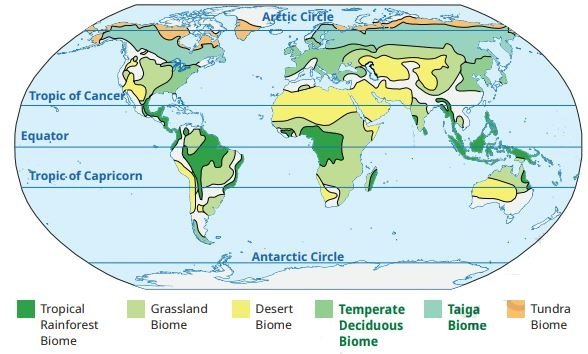
a) Desert biome
b) Grassland biome
c) Temperate deciduous biome
d) Tundra biome
Answer: d) Tundra biome
Q. Refer to Figure (World Map Showing Distribution of Biomes). Which biome is generally found in regions with very little rainfall and harsh dry conditions?
a) Taiga biome
b) Tropical rainforest biome
c) Desert biome
d) Temperate deciduous biome
Answer: c) Desert biome
Q. Refer to Figure (Ideal Structure of a Rainforest Biome). Which layer forms the bottommost part of the rainforest?
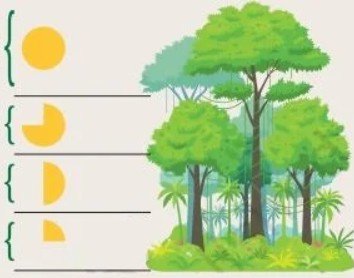
a) Emergent layer
b) Upper canopy
c) Understory/Lower canopy
d) Forest floor
Answer: d) Forest floor
Q. Refer to Figure (Ideal Structure of a Rainforest Biome). The yellow shapes shown in the diagram indicate trees rising above the main canopy. These belong to the:
a) Forest floor
b) Emergent layer
c) Understory
d) Lower canopy
Answer: b) Emergent layer
Q. Refer to Figure (Biome Pyramid) . Which biome is shown at the hottest and wettest part of the pyramid?
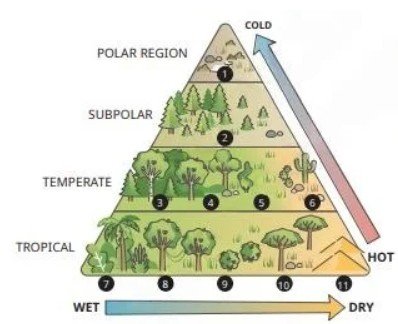
a) Grassland
b) Desert
c) Rainforest
d) Tundra
Answer: c) Rainforest
Q. Refer to Figure (Biome Pyramid) . Which biome is located in the cold polar region of the pyramid?
a) Savanna
b) Tundra
c) Chaparral
d) Tropical seasonal forest
Answer: b) Tundra
Q. Refer to Figure (Biodiversity in Different Regions of India) . Which of the following species shown in the figure belongs to the Himalayan region?
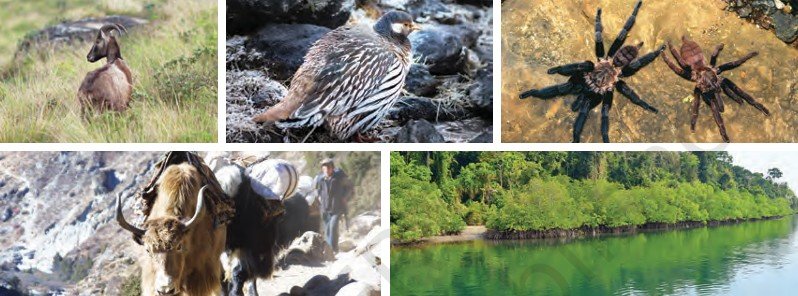
a) Nilgiri Tahr
b) Indian Spider
c) Big Himalayan Yak
d) Mangrove vegetation
Answer: c) Big Himalayan Yak
Q. Refer to Figure (Political Map of India) . Which of the following regions mentioned in the map activity is famous for mangroves and marine biodiversity?
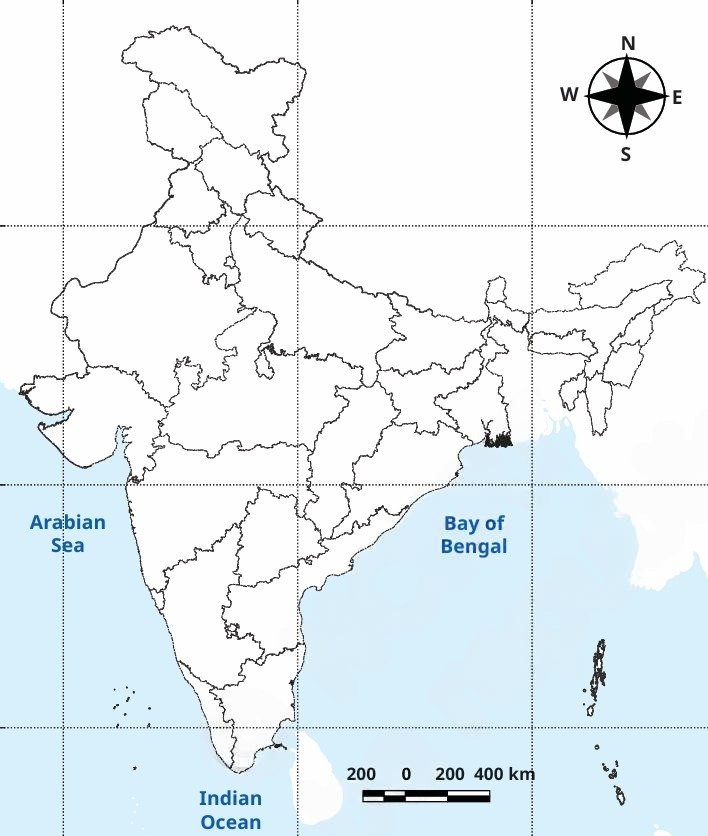
a) Gulf of Mannar
b) Pachmarhi
c) Achanakmar–Amarkantak
d) Namdapha National Park
Answer: a) Gulf of Mannar
Q. Refer to Figure (GI-Tagged Forest Products of India) . Which forest product from Odisha is known for its high curcumin content and medicinal value?
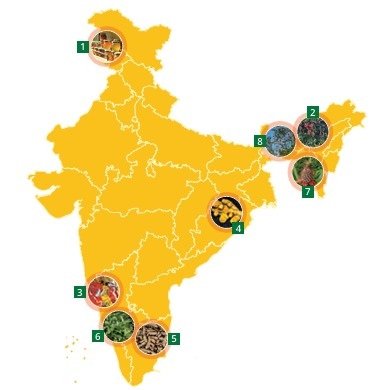
a) Khasi Mandarin
b) Tripura Queen Pineapple
c) Ramban Sulai Honey
d) Kandhamal Haldi
Answer: d) Kandhamal Haldi
Q. Connections Between Forest Dwellers and Forests. Which role of forest dwellers is best represented by their use of herbs and plants for treatment and health care?
a) Forest protection
b) Knowledge holders
c) Livelihood and income
d) Ecotourism
Answer: b) Knowledge holders
Q. Refer to Figure (Community-led Protection of Forests in Mendha Lekha) . Which practice shown in the figure contributes directly to sustainable forest conservation?
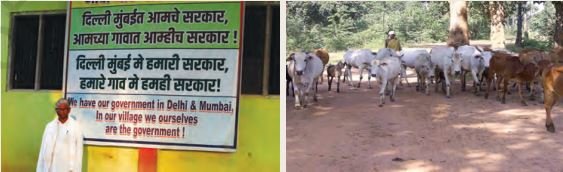
a) Uncontrolled tree cutting
b) Community participation in forest management
c) Expansion of industries inside forests
d) Commercial mining activities
Answer: b) Community participation in forest management
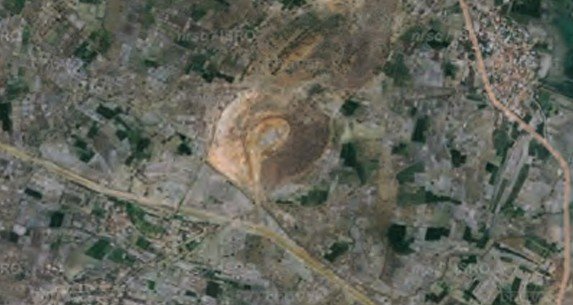
Q. Refer to Figure (Water Tanks in Bhandara District, Maharashtra) . What is the primary purpose of such tanks?
a) Promoting wildlife tourism
b) Generating hydroelectric power only
c) Supporting irrigation and water storage
d) Creating industrial zones
Answer: c) Supporting irrigation and water storage
Disclaimer: The content that is present on our website is based on the NCERT Class 9 Social Science textbook and is provided for educational purposes only. All the content and images have been taken from Social Science Class 9 NCERT Textbook and CBSE Support material. Images and content shown above are the property of individual organizations and are used here for reference purposes only. To make it easy to understand, some of the content and images are generated by AI and cross-checked by the teachers.