
Artificial Intelligence (AI) is a modern branch of computer science that focuses on creating smart machines capable of performing tasks that normally require human intelligence. These tasks include thinking, learning, problem-solving, decision-making, and understanding language.
Artificial Intelligence Class 7 Chapter 1 Notes
What is Natural Language Processing?
Natural Language Processing (NLP) is a branch of artificial intelligence that focuses on enabling machines to understand, interpret, and respond to human language. NLP makes a bridge between human communication and machine understanding. Computers and robots use NLP to process real-world language, spoken or written, and make sense of it. It helps the computer to communicate with human beings using text or speech.
NLP processes human language to make sense of it in a way a computer can understand. The input speech or text is cleaned to make it easier for the computer to process it. Computers use learning-based AI to process the input.
Applications of NLP around us
1. Grammar and spelling correction
The Grammarly application uses NLP to review spellings, grammar, and punctuation. It can also search for replacements for the identified errors and improve your overall writing.

2. Autocomplete and Text Prediction
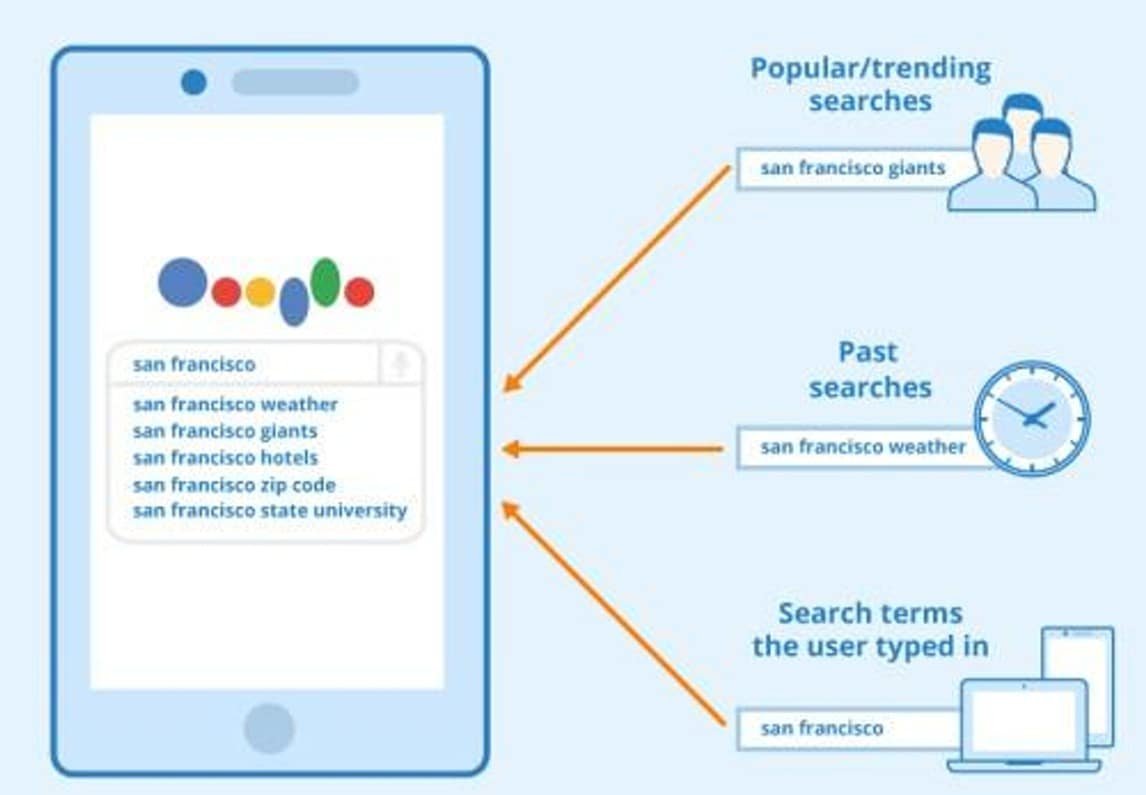
Autocomplete and text prediction features use NLP to complete the word that you are writing or predict the next word that you might type based on your typing habits.
3. Digital Assistants
Digital assistants like Apple’s Siri, Amazon’s Alexa, and Google Assistant can understand human languages and are able to answer many general questions and offer suggestions based on your past activity.
Watch the video on the short history of digital assistants.
https://www.youtube.com/watch?v=rkKSb5wAstg
Statistical Data
Statistical data helps the machines to understand large amounts of numerical data like age, price of smartphones, temperature, humidity, etc. Computers use statistical data to analyze the numbers and make some meaningful information. For example, predicting hurricanes based on humidity, temperature, rainfall, etc.
Why is statistical data important?
- Statistical data helps to find out the hidden and unexpected information for the data.
- Visual representation of data makes it easier to understand.
- Statistical analysis of the data to make decisions.
Applications of Statistical Data
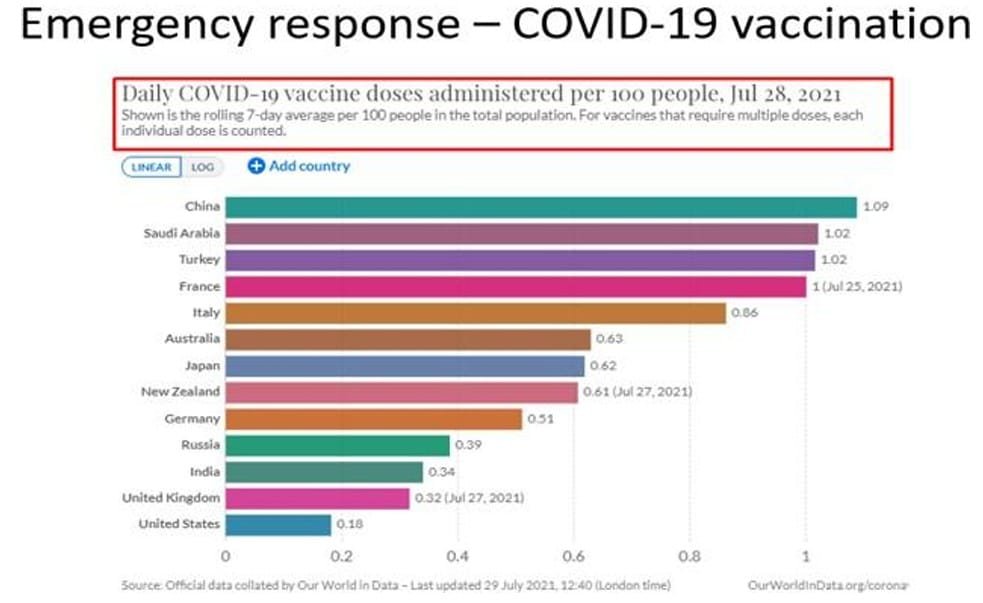
a. Emergency response—COVID-19 vaccination (healthcare)
During COVID-19, vaccination became one of the most important emergency responses to control the pandemic. Authorities across the world used COVID-19 statistical data, like the number of cases, rate of spread, etc., to prepare their healthcare systems for any emergency and to deliver COVID-19 vaccines as well.
b. Weather Prediction
Statistical data can forecast the weather by analyzing data such as wind speed, temperature, humidity, etc. For example, weather forecasts made? (2016, February 26).
YouTube https://www.youtube.com/watch?v=fdErsR8_NaU
Ethical considerations in different domains of AI
AI ethics refers to the set of moral principles and guidelines that ensure artificial intelligence is developed and used responsibly, fairly, and safely. It is basically focused on reducing risks such as bias, misuse, or harm.
Ethical Considerations in Computer Vision
Ethical consideration in computer vision means that smart cameras and image-recognition tools are used fairly and safely, without invading people’s privacy or causing harm. Broad strategies for using computer vision ethically:
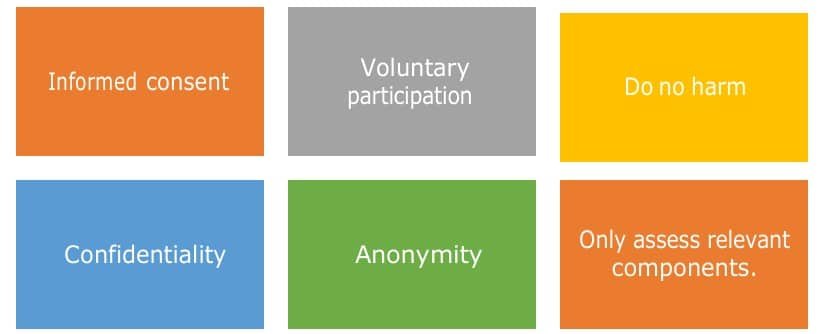
- Informed consent: If the person is taking part in an evaluation or research project, then the person should be aware of the purpose of the project and whether there are any possible risks or negative impacts of their involvement.
- Voluntary participation: Voluntary participation means that people who participate in the evaluation should be free from coercion. Participants are free to withdraw their participation at any time without negatively impacting their involvement in future services or the current program.
- Do no harm: Harm can be both physical and/or psychological and therefore can be in the form of stress, pain, anxiety, diminishing self-esteem, or an invasion of privacy.
- Confidentiality: Confidentiality means that any identifying information is not made available to, or accessed by, anyone but the program coordinator.
- Anonymity: Anonymity is a stricter form of privacy than confidentiality, as the identity of the participant remains unknown to the research team.
- Only assess relevant components: Only assess those components that are of relevance to the program/initiative being conducted.
Ethical considerations in natural language processing
Ethics is about deciding what is right or wrong. It is just like human moral rules. In AI human moral rules is known as ethical guidelines. These guidelines help the AI to make fair and responsible decisions. Artificial intelligence makes the decision based on the data that AI used at the time of training. This happens because the AI learns from information that might not show the whole picture. Following are some of the ethical issues in natural language processing:
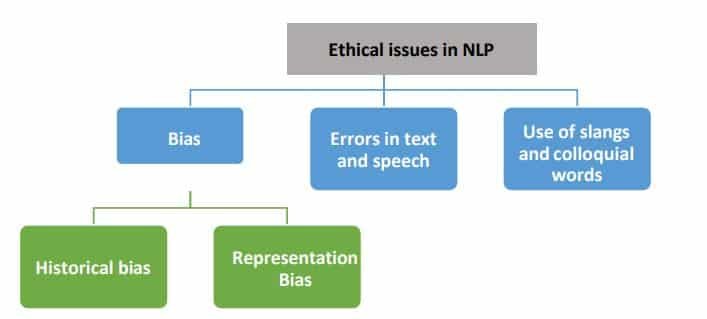
- Bias: Bias in AI means that the system makes wrong or unfair decisions. It happens because AI learns from data; due to technical error or if the data has hidden problems, those problems can show up in the AI’s decisions.
- A. Historical Bias: This is reflected by how the everyday generalizations and stereotypes crawl up in how the machine interprets the data. For instance, a wordlikeanurse is highly associated with women, signifying a discriminatory attitude towardsaparticular gender.
- B. Representation Bias: It occurs when some part of the population is either over- represented or highly neglected in the data. It leads to false generalizations andweak insights by the models.
- Errors in text and speech: Commonly used applications and assistants encounter alack of efficiency when exposed to misspelled words, different accents etc.
- Usage of Slang and Colloquial words: Slangs are formed on regular basis thenand, it’s hard to tap on every new phrase that gets popular within a short period. Similarly, colloquial words have no definite dictionary meaning and present ahighchance of problems with the usage of NLP.
Statistical data:
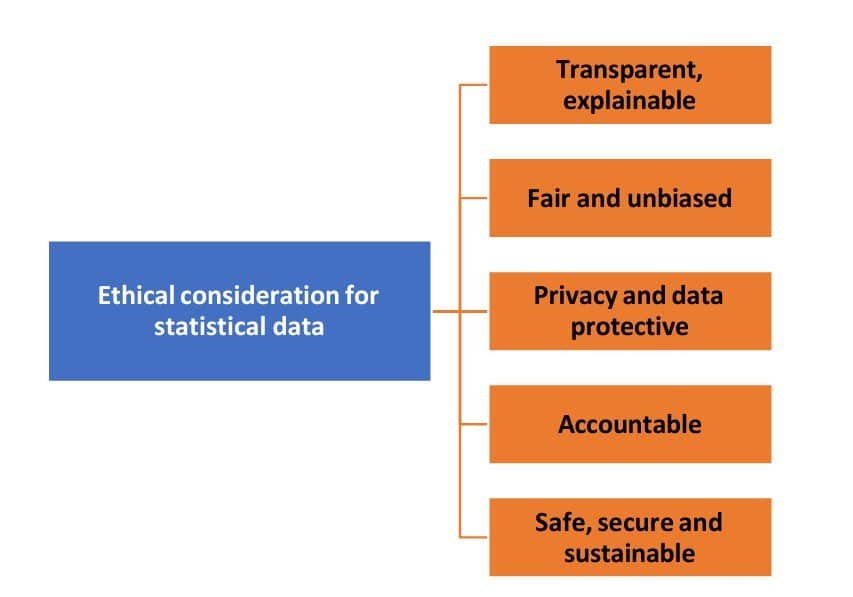
Ethical considerations in using statistical data are essential to promote fairness, transparency, and responsible decision-making. Let us discuss ethical considerations while using statistical data.
- Fair and unbiased: “Fair” means treat everyone equally when collecting and presenting data. “Unbiased” means keeping personal opinions or stereotypes out of the data. For example, you ask students from different classes, ages, and interests about their favorite sports, and AI recorded them honestly, like cricket, football, kabaddi, badminton, etc. You present the data like 40% of people like cricket, 30% of people like football, 20% of people like kabaddi, etc. This is fair and unbiased because all the groups are included and no personal opinion is added.
- Transparent, explainable: “Transparent” means to be open and clear about how the data was collected, processed, and presented, and “explainable” means to present the data in such a way that ordinary people can also understand, not only experts.
- Privacy and data protection: The personal information should be kept safe when collecting or sharing data, and a secure method should be used to store and handle data so it cannot be misused.
- Accountable: It is also important how responsibly the data is collected, analyzed, and used. If any mistakes happen in that condition, the researchers or organization must admit them and correct them. It helps to build trust with people, it prevents misleading decisions, and it shows ethical responsibility.
- Safe, secure, and sustainable: The data should not harm individuals or groups; the data must be stored and handled properly, which means the data should be handled in a way that prevents leaks or misuse. The data practices should be long-term and responsible and not waste resources.
Disclaimer: We have provide you with the accurate handout of “Artificial Intelligence Class 7 Chapter 1 Notes“. If you feel that there is any error or mistake, please contact me at anuraganand2017@gmail.com. The above CBSE study material present on our websites is for education purpose, not our copyrights.
All the above content and Screenshot are taken from Artificial Intelligence Code 901B Class 6 CBSE Textbook, CBSE Sample Paper, CBSE Old Sample Paper, CBSE Board Paper and CBSE Support Material which is present in CBSEACADEMIC website, NCERT website This Textbook and Support Material are legally copyright by Central Board of Secondary Education or NCERT. We are only providing a medium and helping the students to improve the performances in the examination.
Images and content shown above are the property of individual organisations and are used here for reference purposes only. To make it easy to understand, some of the content and images are generated by AI and cross-checked by the teachers. For more information, refer to the official CBSE textbooks available at cbseacademic.nic.in.